AnandYogaCentreBook a ₹199 trial
Pose guide

Locust PoseSalabhasana

Steps, benefits and the muscles it works, taught in small women-only classes in Kolathur.

BeginnerBackbend4 to 6 breaths
Locust Pose (Salabhasana) at Anand Yoga Centre

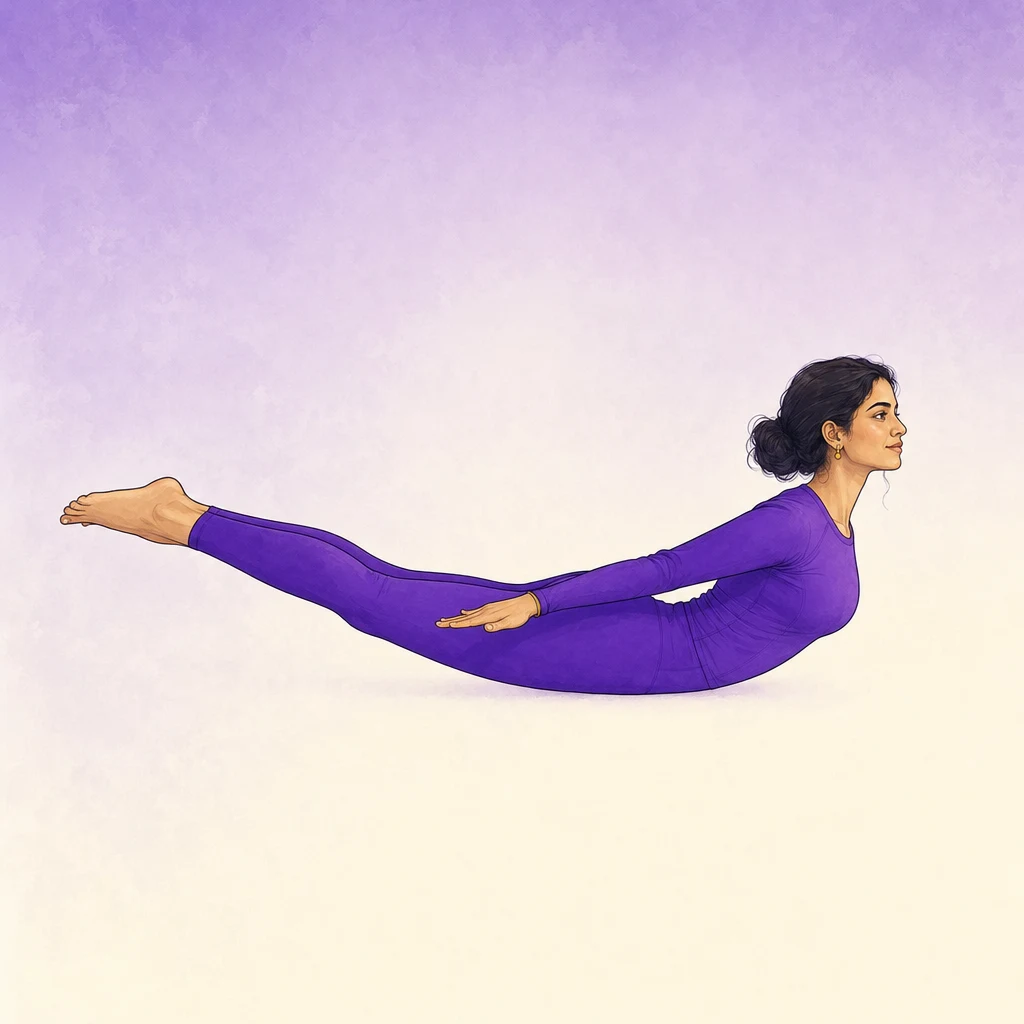
Salabhasana, or Locust Pose, is a prone backbend where you lie on your belly and lift the chest, arms and legs away from the floor, resting on the lower abdomen like a small locust. It strengthens the back muscles, glutes and legs and helps counter the slouch of long sitting. Practised steadily here at Anand Yoga Centre, women-first, in Kolathur.

How to do it

How to do Locust Pose, step by step

  1. 1
    Lie prone and settle in

    Lie on your belly with the forehead resting down, legs straight and together, and arms alongside the body with palms facing up.

    Hold
  2. 2
    Lengthen and prepare

    Press the tops of the feet and the pubic bone gently into the floor. Lengthen the tailbone towards the heels to protect the lower back.

    Inhale
  3. 3
    Lift chest, arms and legs

    On the exhale, lift the chest, arms and both legs away from the floor together. Reach the arms back and keep the legs straight and active.

    Exhale
  4. 4
    Hold, then release

    Gaze gently forward and down to keep the neck long. Hold for 4 to 6 breaths, then lower everything slowly and turn the head to one side to rest.

    Exhale

The breath leads the movement: inhale as you open and lift, exhale as you fold and lower. One full round repeats the sequence leading with the other leg.

Benefits

What Locust Pose is good for

What it works

Muscles and chakrasbody and energy

Muscles worked

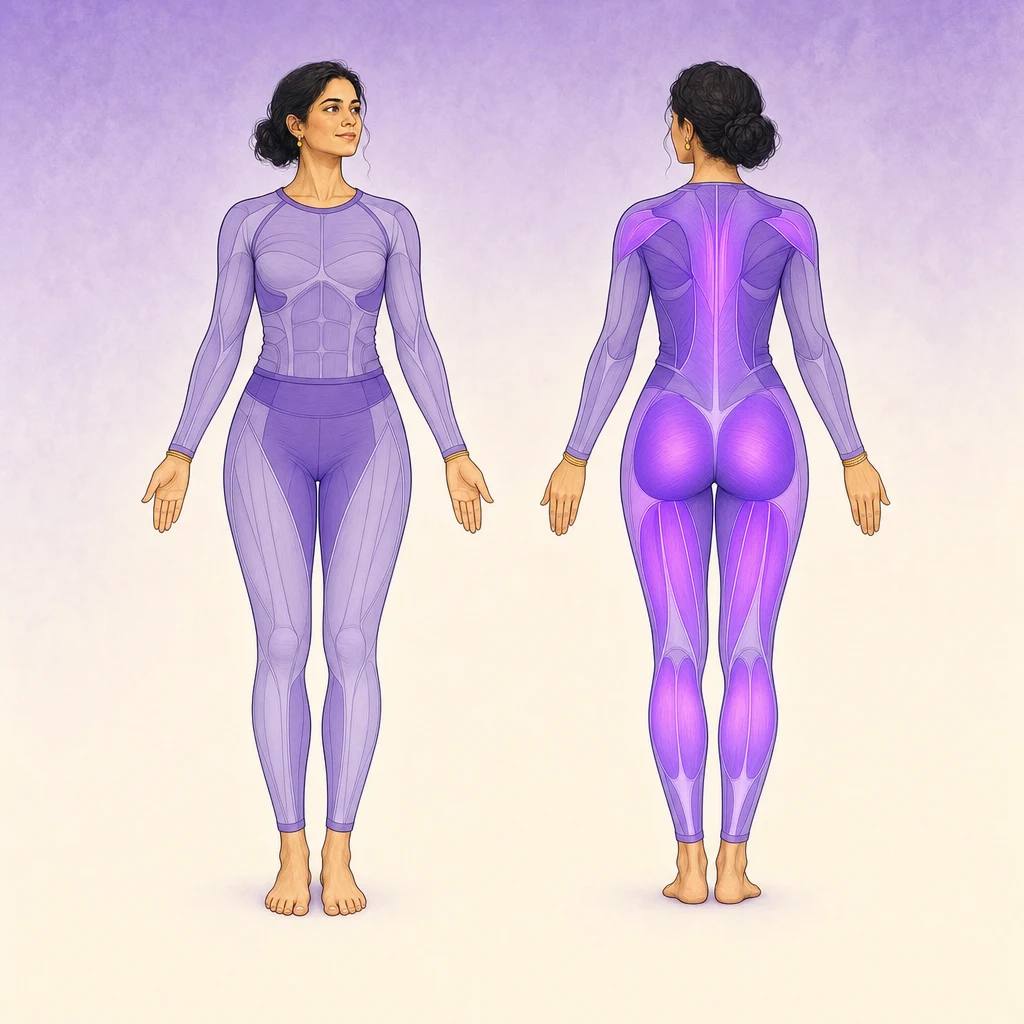
Muscles worked in Locust Pose, front and back
  • Erector spinae
  • Gluteus maximus
  • Hamstrings
  • Quadratus lumborum (lower back)
  • Lower trapezius
  • Rectus abdominis

Brighter violet marks the muscles this pose works most.

Chakras activated

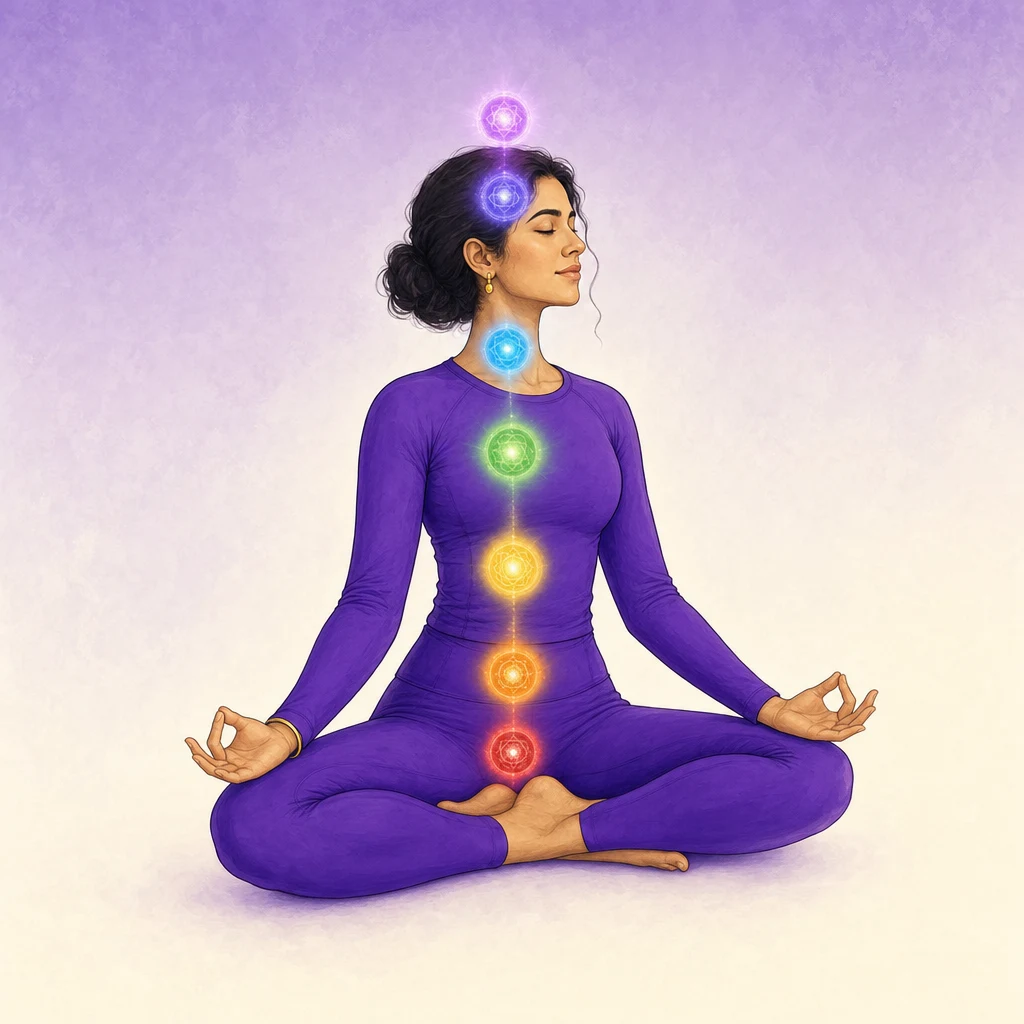
Chakras associated with Locust Pose
  • Solar PlexusManipura
  • HeartAnahata

These are traditional energetic associations, not medical claims.

Stay safe

Who should take care

This is general guidance, not medical advice. If in doubt, check with your doctor.

Keep going

Related poses

CobraBow PoseBridge

Learn this at Anand Yoga Centre

Practise it properly with Sailaja, who adjusts each person in a small women-only class in Kolathur.

Book on WhatsAppSee classes

Reviewed by Sailaja Anand, yoga instructor at Anand Yoga Centre. Last updated 2026-06-14.

Questions

Locust Pose: common questions

Is Locust Pose suitable for beginners?
Yes. Locust Pose is a beginner-friendly backbend, especially in its half versions where you lift only the legs or only the chest. It is a gentle way to build the back and core strength needed for deeper backbends.
How long should I hold Salabhasana?
Hold for about 4 to 6 breaths to begin with, breathing comfortably. Release and rest, then repeat. Over time and with practice, you can gradually work towards longer holds of 12 to 16 breaths.
What is the difference between Locust Pose and Cobra Pose?
In Cobra the hands press the floor to lift the chest while the legs stay down. In Locust the arms do not press the floor; instead the back muscles lift the chest, arms and legs, so it builds more back strength.
Why do my legs not lift very high in Locust Pose?
Lift height depends on back and glute strength, which builds with practice. The benefit comes from the effort and engagement, not the height. Keep the legs straight and active and let the lift grow over time.
Can Locust Pose help with posture from desk work?
Locust Pose strengthens the back and shoulder muscles that often weaken with long sitting, which can support a more upright posture. It is best practised regularly alongside other movement, with guidance from an instructor.

Start your practice this week

Book a ₹199 first class and learn Locust Pose with Sailaja, in a small women-only group in Kolathur.

Book a ₹199 trialExplore more poses