AnandYogaCentreBook a ₹199 trial
Pose guide

HeadstandSirsasana

Steps, benefits and the muscles it works, taught in small women-only classes in Kolathur.

AdvancedInversion10 to 30 seconds while learning, building gradually with experience
Headstand (Sirsasana) at Anand Yoga Centre

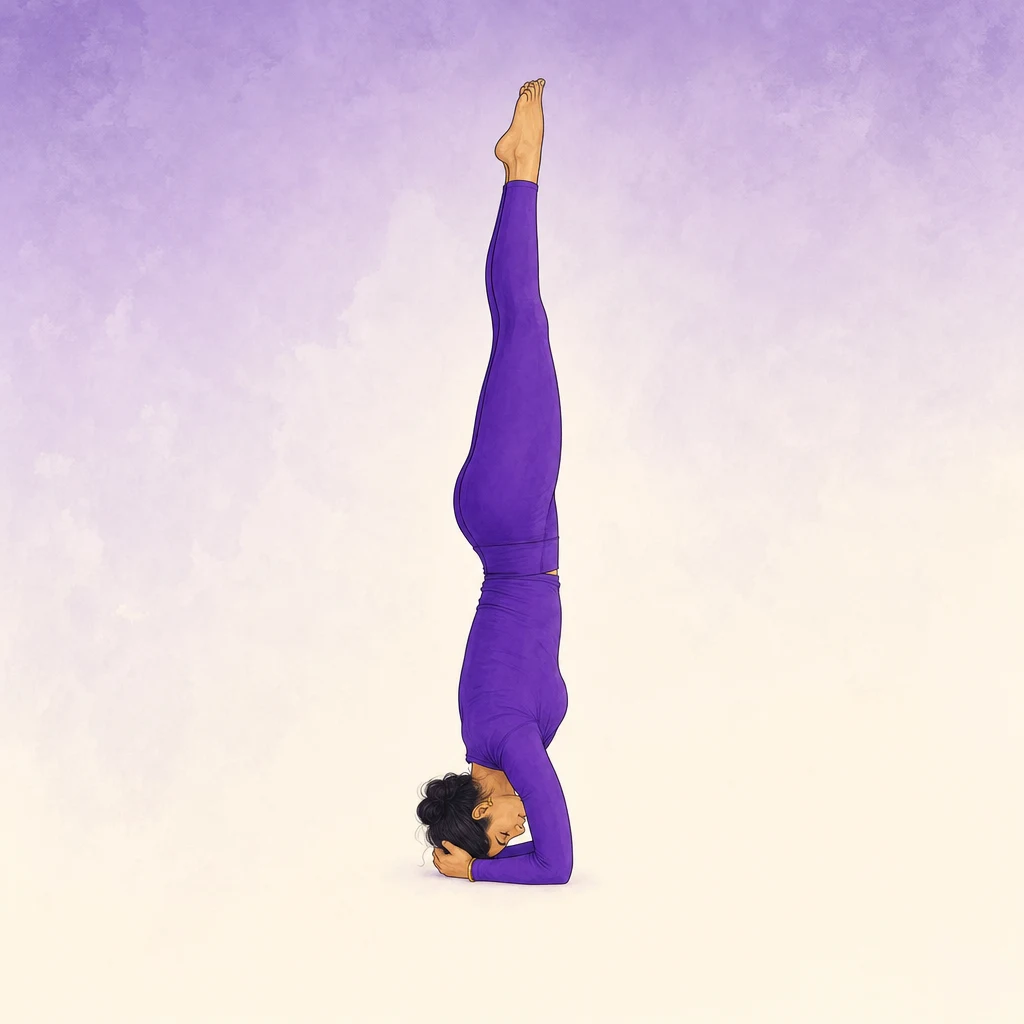
Sirsasana, or Headstand, is an advanced inversion often called the king of asanas, where the body balances upside down on the crown of the head with the forearms steadying the base. It builds core, shoulder and back strength and is associated with improved focus and circulation to the brain. Because it loads the neck and head, it is best learned with a teacher first, against a wall, women-first, in Kolathur.

How to do it

How to do Headstand, step by step

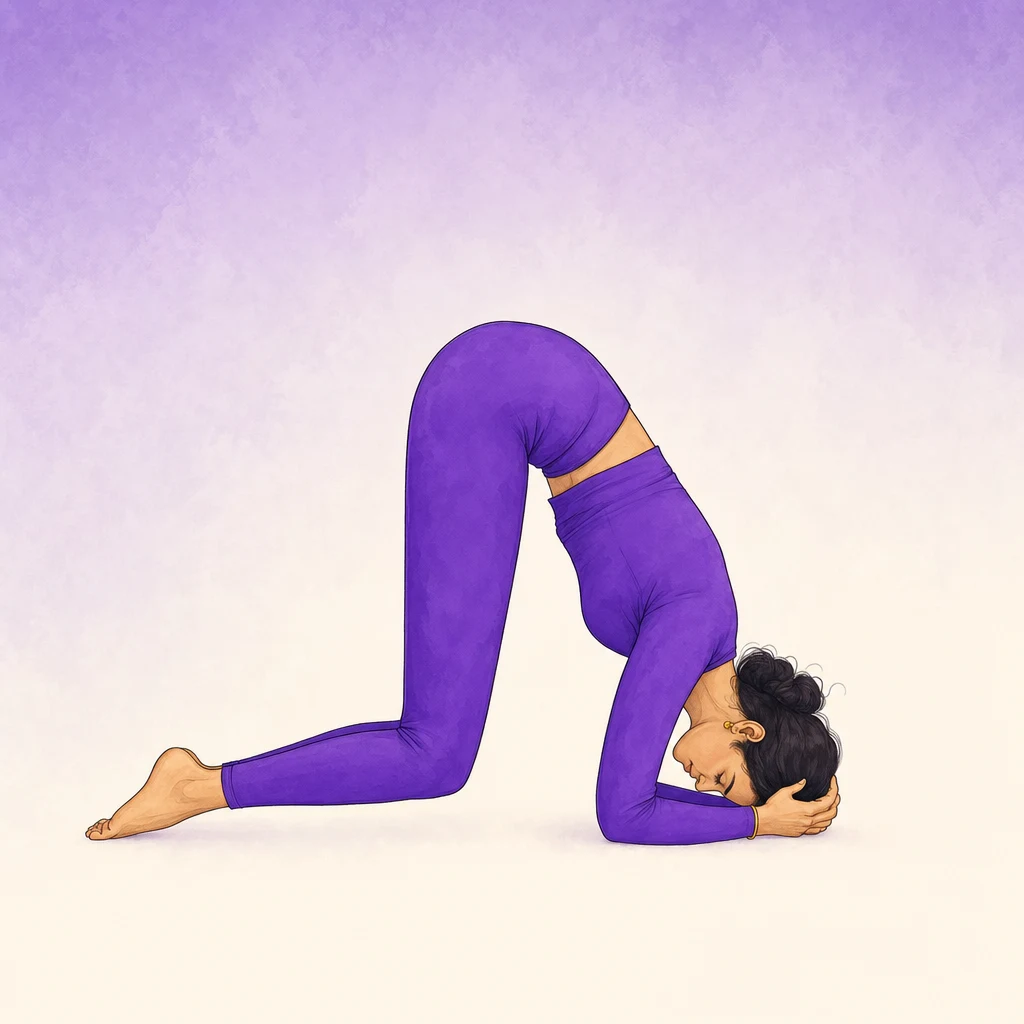
  1. Headstand step 1: Kneel and place the forearms on the floor, clasping the hands, and rest the crown of the head lightly inside the cupped hands.1
    Build the base

    Kneel and place the forearms on the floor, clasping the hands, and rest the crown of the head lightly inside the cupped hands.

    Exhale
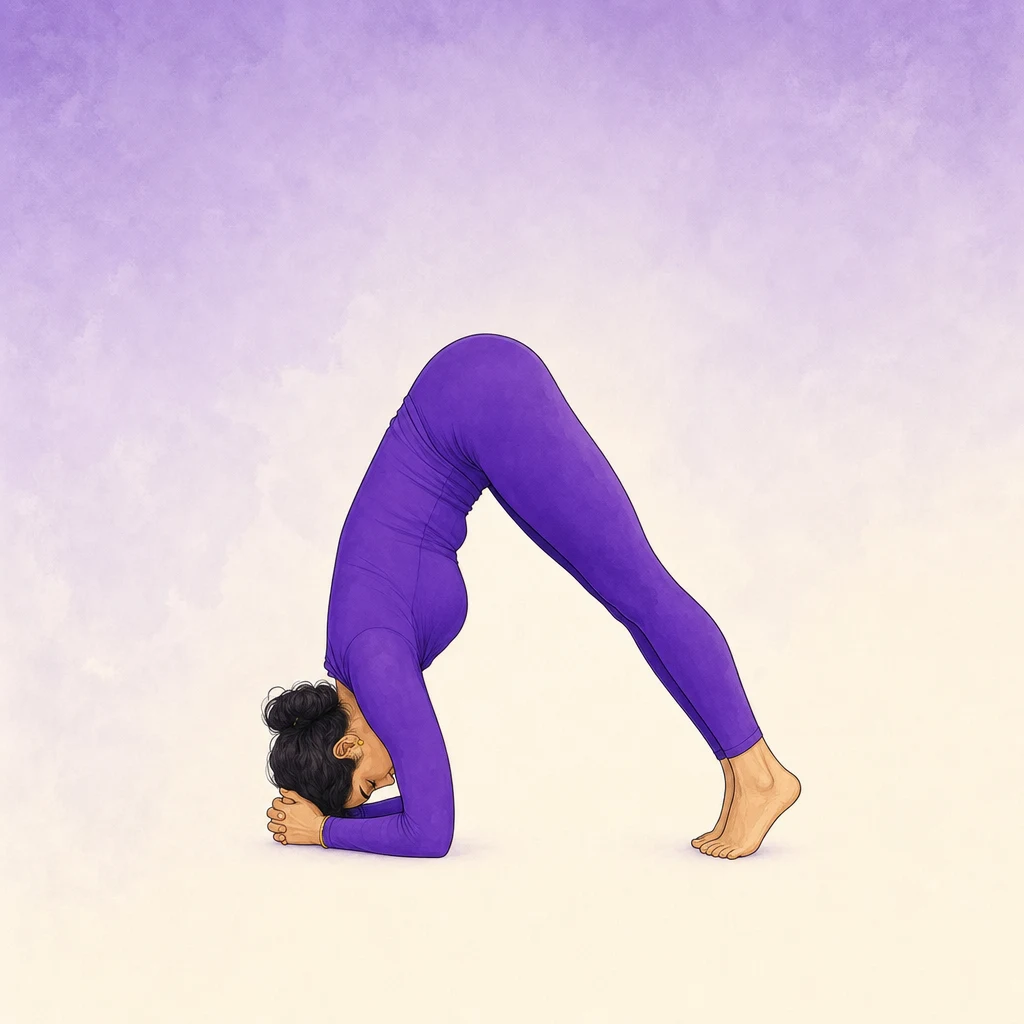
  2. Headstand step 2: Tuck the toes and walk the feet in toward the head so the hips lift up over the shoulders.2
    Walk the feet in

    Tuck the toes and walk the feet in toward the head so the hips lift up over the shoulders.

    Inhale
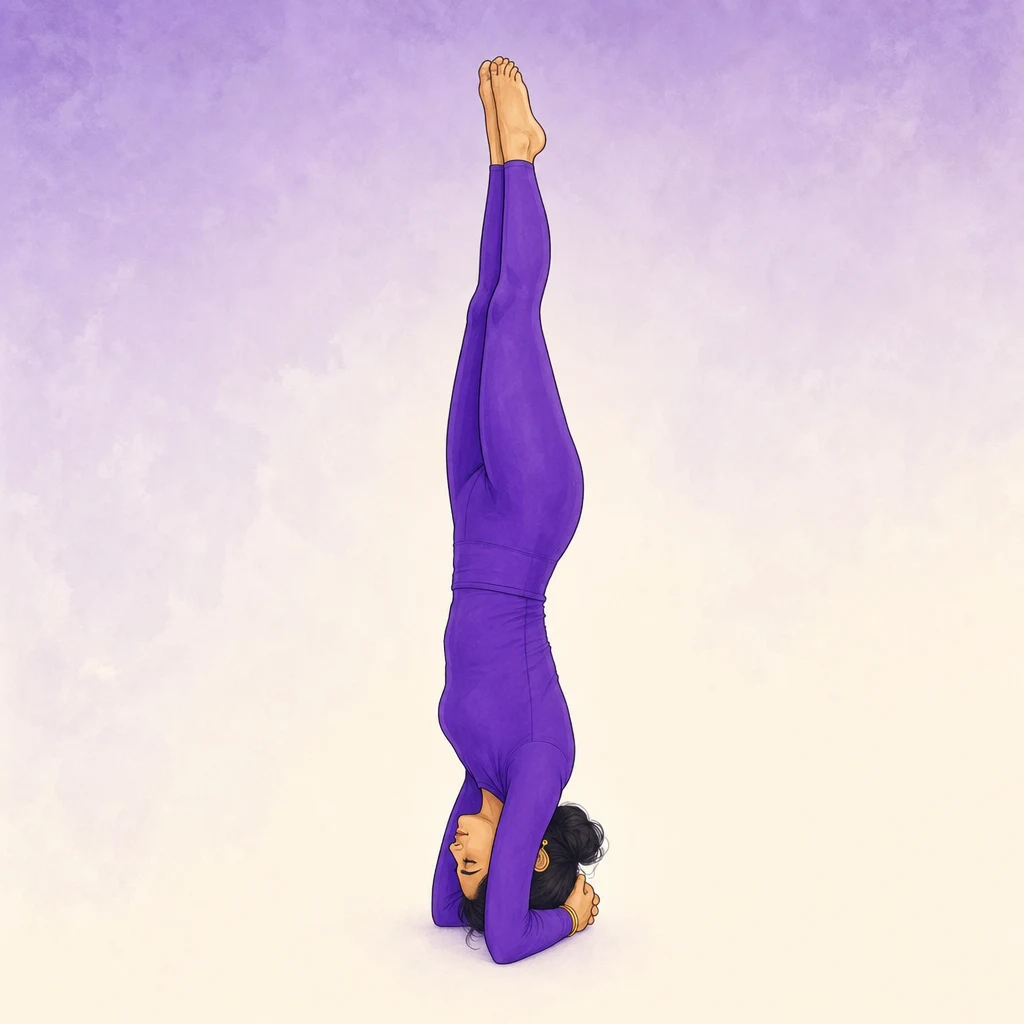
  3. Headstand step 3: Draw the knees in, lift the feet, then extend the legs straight up toward the ceiling, the body vertical and steady.3
    Lift the legs up

    Draw the knees in, lift the feet, then extend the legs straight up toward the ceiling, the body vertical and steady.

    Inhale
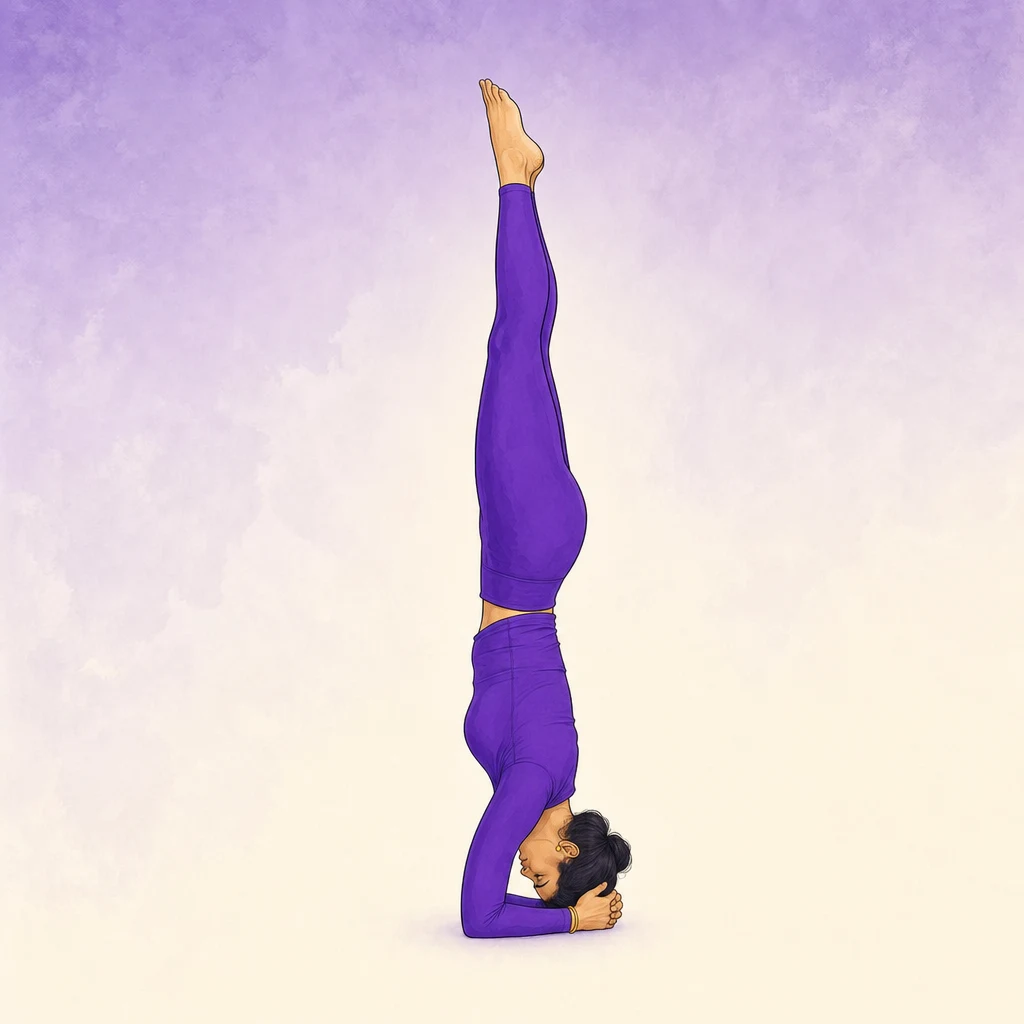
  4. Headstand step 4: Hold with the forearms pressing down and the core engaged, then bend the knees and lower down with control.4
    Hold and come down

    Hold with the forearms pressing down and the core engaged, then bend the knees and lower down with control.

    Hold

The breath leads the movement: inhale as you open and lift, exhale as you fold and lower. One full round repeats the sequence leading with the other leg.

Benefits

What Headstand is good for

What it works

Muscles and chakrasbody and energy

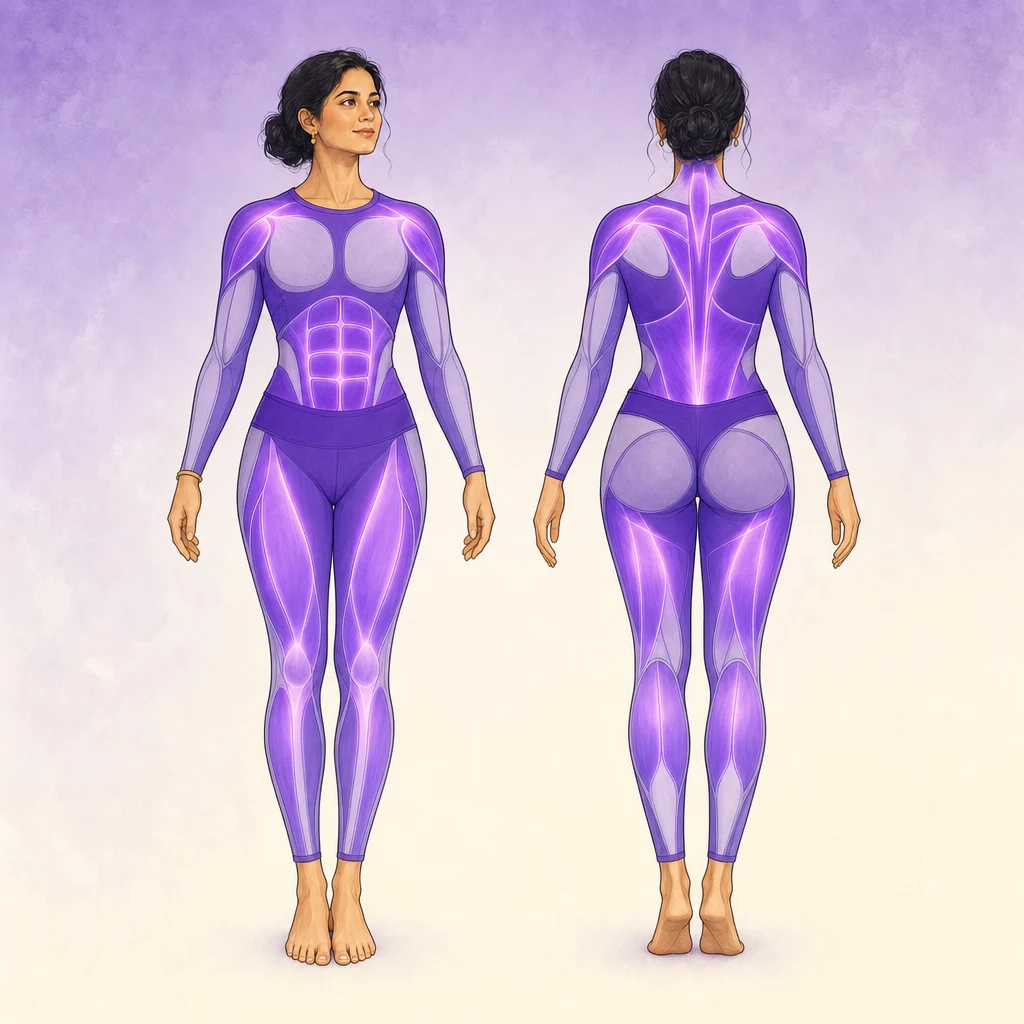
Muscles worked

Muscles worked in Headstand, front and back
  • Transverse abdominis and rectus abdominis (core)
  • Deltoids (shoulders)
  • Trapezius
  • Erector spinae (spinal muscles)
  • Forearm muscles
  • Latissimus dorsi

Brighter violet marks the muscles this pose works most.

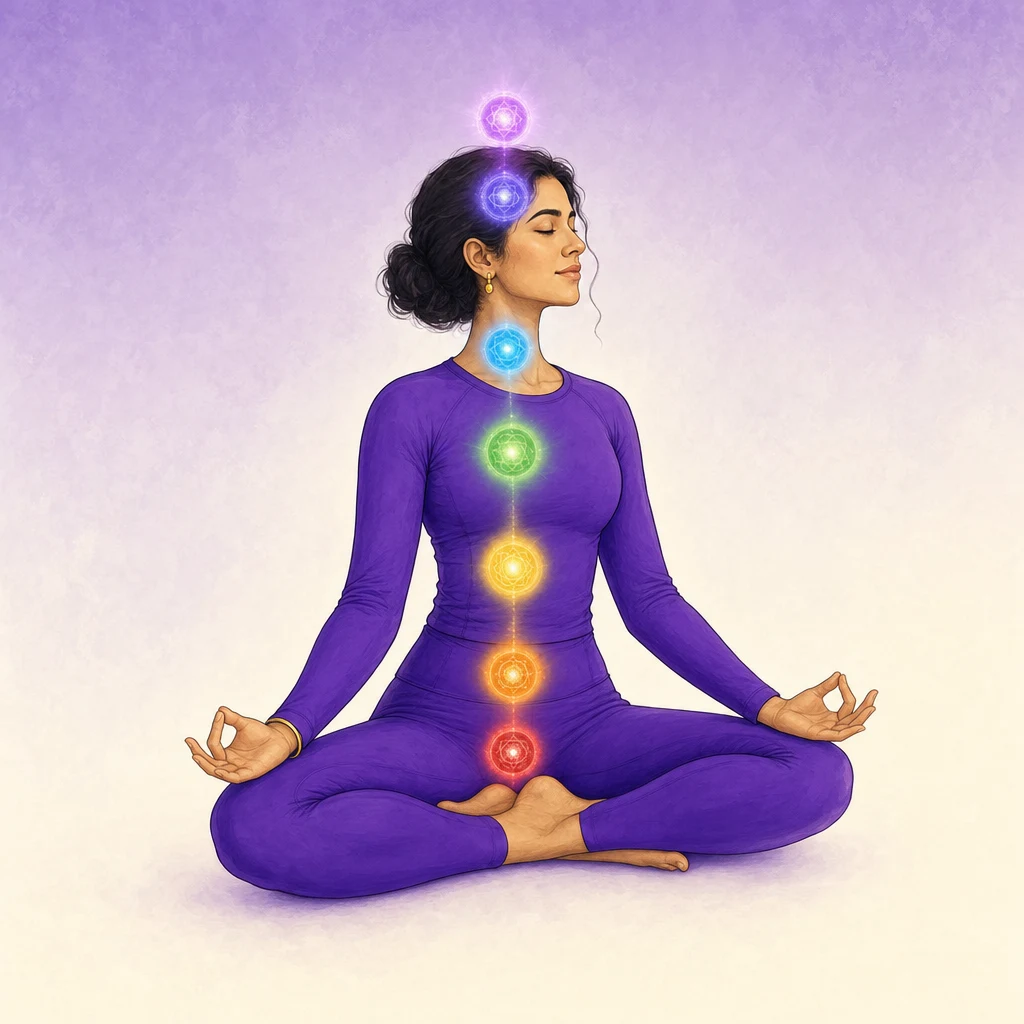
Chakras activated

Chakras associated with Headstand
  • CrownSahasrara
  • Third EyeAjna

These are traditional energetic associations, not medical claims.

Stay safe

Who should take care

This is general guidance, not medical advice. If in doubt, check with your doctor.

Keep going

Related poses

Downward-Facing DogShoulderstandLegs-Up-the-Wall Pose

Learn this at Anand Yoga Centre

Practise it properly with Sailaja, who adjusts each person in a small women-only class in Kolathur.

Book on WhatsAppSee classes

Reviewed by Sailaja Anand, yoga instructor at Anand Yoga Centre. Last updated 2026-06-14.

Questions

Headstand: common questions

Is Headstand safe for beginners to try alone?
No. Sirsasana is an advanced pose that loads the neck and head, so it is best learned with a teacher first, against a wall. Building shoulder and core strength in preparatory poses like Dolphin comes before attempting the full balance.
Should my weight be on my head or my arms?
The forearms carry most of the load while the crown of the head rests lightly on the mat. Pressing actively down through the forearms protects the neck and keeps the balance stable.
Who should avoid Headstand entirely?
Anyone with a neck or shoulder injury, high or low blood pressure, glaucoma or other eye-pressure conditions, or heart conditions should avoid it. It is also avoided during pregnancy and heavy menstruation.
How long should I hold a Headstand?
While learning, 10 to 30 seconds with steady breathing is plenty. The hold can be extended gradually over months of consistent, supervised practice rather than rushed.
What poses prepare me for Headstand?
Dolphin Pose and Downward-Facing Dog build the shoulder and core strength needed, while Legs-Up-the-Wall introduces the feeling of inversion gently. A teacher can guide the safe progression to the wall and then to free balance.

Start your practice this week

Book a ₹199 first class and learn Headstand with Sailaja, in a small women-only group in Kolathur.

Book a ₹199 trialExplore more poses