AnandYogaCentreBook a ₹199 trial
Pose guide

ShoulderstandSarvangasana

Steps, benefits and the muscles it works, taught in small women-only classes in Kolathur.

IntermediateInversion30 seconds to 1 minute, build up gradually
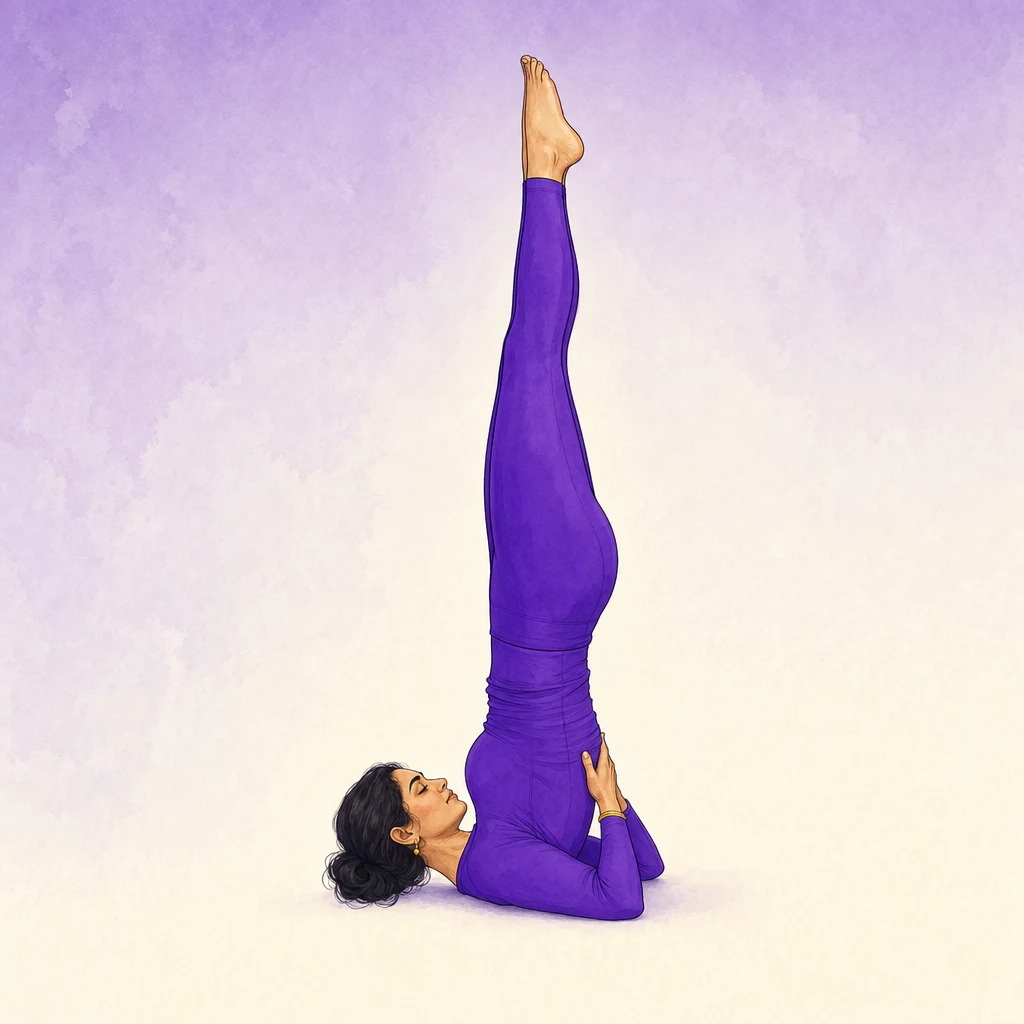
Shoulderstand (Salamba Sarvangasana) at Anand Yoga Centre

Shoulderstand is an inversion where the body balances on the shoulders and upper arms with the legs extended toward the ceiling. Often called the queen of asanas, it strengthens the shoulders and core, supports circulation, and is held with the weight resting on the shoulders rather than the neck. Because it asks for care and preparation, it is taught with close guidance in small women-only classes at Anand Yoga Centre, Kolathur.

How to do it

How to do Shoulderstand, step by step

  1. 1
    Set up

    Lie on your back, arms by your sides, legs together and active.

    Exhale
  2. 2
    Lift

    Lift the legs and hips up, then place the palms on the mid-back to support it.

    Inhale
  3. 3
    Hold

    Walk the elbows closer, lengthen toward vertical, weight on the shoulders.

    Hold
  4. 4
    Release

    Lower the hips with control and roll the spine slowly down to the mat.

    Exhale

The breath leads the movement: inhale as you open and lift, exhale as you fold and lower. One full round repeats the sequence leading with the other leg.

Benefits

What Shoulderstand is good for

What it works

Muscles and chakrasbody and energy

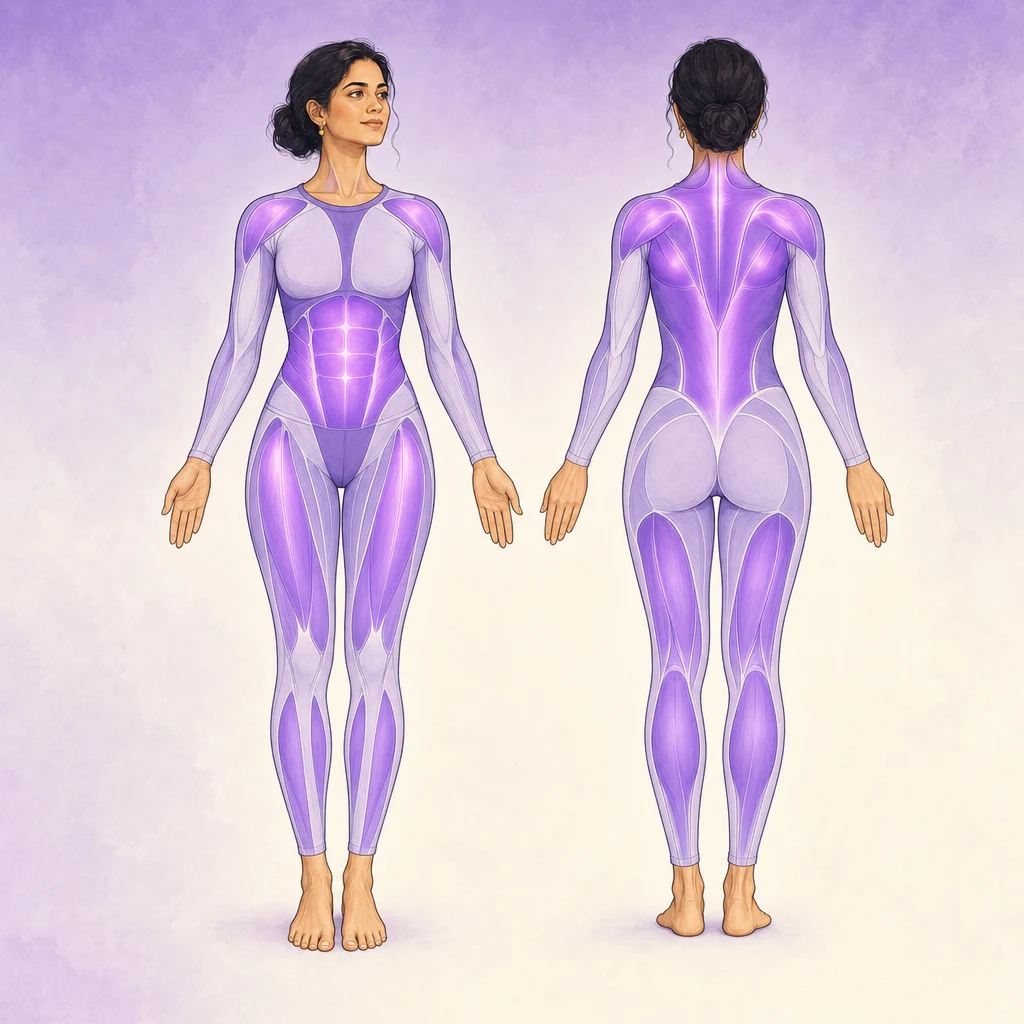
Muscles worked

Muscles worked in Shoulderstand, front and back
  • Shoulders (deltoids, trapezius)
  • Core (abdominals)
  • Arms (triceps, biceps)
  • Hip flexors and quadriceps
  • Spinal muscles (erector spinae)

Brighter violet marks the muscles this pose works most.

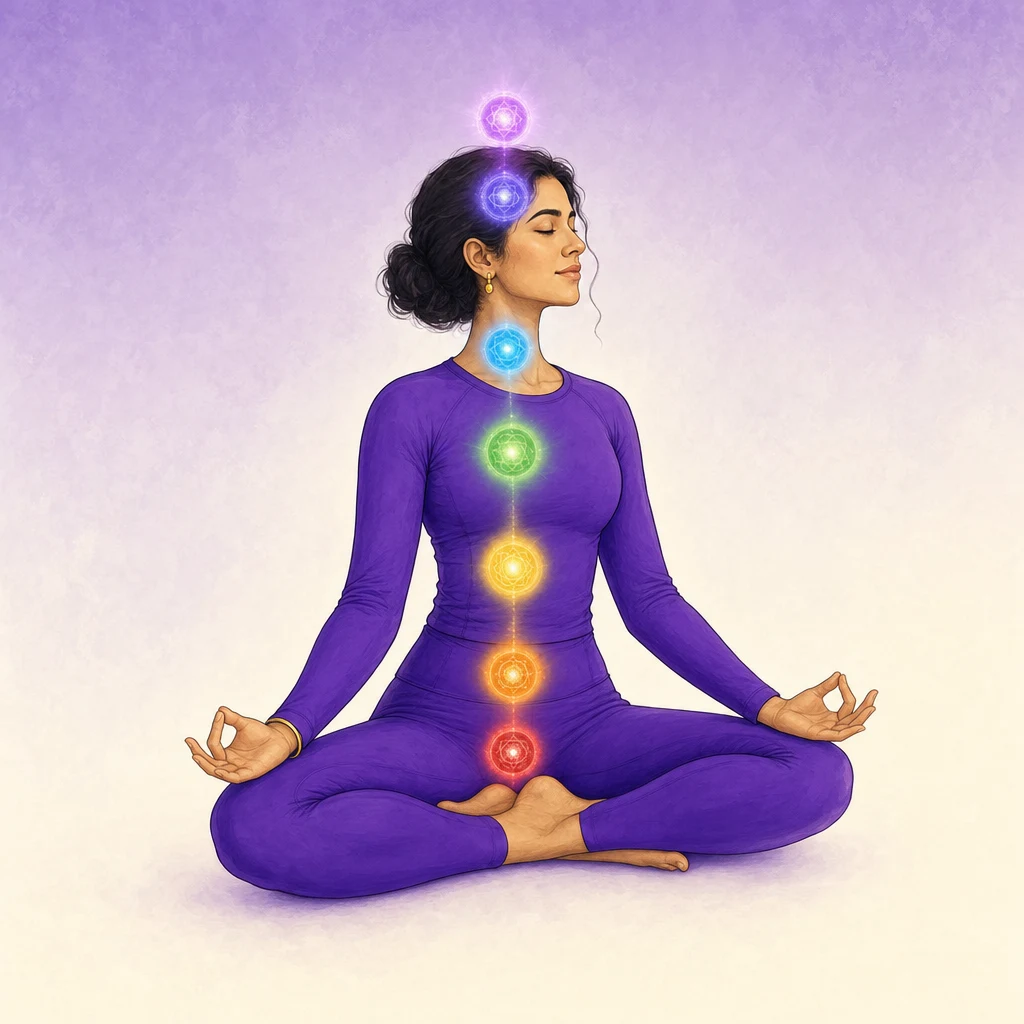
Chakras activated

Chakras associated with Shoulderstand
  • ThroatVishuddha
  • CrownSahasrara

These are traditional energetic associations, not medical claims.

Stay safe

Who should take care

This is general guidance, not medical advice. If in doubt, check with your doctor.

Keep going

Related poses

BridgeChild's PoseSeated Forward Bend

Learn this at Anand Yoga Centre

Practise it properly with Sailaja, who adjusts each person in a small women-only class in Kolathur.

Book on WhatsAppSee classes

Reviewed by Sailaja Anand, yoga instructor at Anand Yoga Centre. Last updated 2026-06-14.

Questions

Shoulderstand: common questions

Is Shoulderstand safe?
Shoulderstand can be safe when practised with care, preparation and proper alignment, with the weight resting on the shoulders rather than the neck. Many teachers recommend raising the shoulders on folded blankets to protect the cervical spine. It is best learned with guidance, and anyone with neck issues, high blood pressure or glaucoma should avoid it or consult a professional.
How long should I hold Shoulderstand?
Beginners can start with around 30 seconds to one minute, or five to eight breaths, and build up gradually as strength and comfort grow. Experienced practitioners may stay longer, but it is generally not held beyond about two minutes. Come out slowly and with control, rolling the spine down one vertebra at a time.
What are the benefits of Shoulderstand?
Shoulderstand strengthens the shoulders, arms and core, and as an inversion it supports circulation by bringing the legs above the heart. Many people find it calming for the mind. Traditionally it is also linked with supporting the thyroid through the chin-to-chest position, though this is described as a traditional belief.
Who should not do Shoulderstand?
Shoulderstand should be avoided by anyone with a neck injury or cervical disc problem, high blood pressure, glaucoma, or other eye-pressure conditions. It is also generally avoided during pregnancy and your period unless a qualified teacher has cleared it. If you are unsure, speak with a teacher or doctor before attempting the pose.
How is Shoulderstand different from Headstand?
In Shoulderstand the weight rests on the shoulders and upper arms, while in Headstand it is balanced on the crown of the head and forearms. Shoulderstand is often considered more accessible and is sometimes introduced earlier, though both are inversions that need preparation, core strength and careful guidance to practise safely.

Start your practice this week

Book a ₹199 first class and learn Shoulderstand with Sailaja, in a small women-only group in Kolathur.

Book a ₹199 trialExplore more poses