AnandYogaCentreBook a ₹199 trial
Pose guide

Legs-Up-the-Wall PoseViparita Karani

Steps, benefits and the muscles it works, taught in small women-only classes in Kolathur.

BeginnerInversion5 to 15 minutes
Legs-Up-the-Wall Pose (Viparita Karani) at Anand Yoga Centre

Viparita Karani, or Legs-Up-the-Wall Pose, is a gentle restorative inversion where you rest on your back with the legs supported up a wall and the head and back relaxed on the floor. It is the most accessible of inversions and is associated with easing tired, swollen legs, supporting venous return and calming the nervous system. A soothing, women-first practice you can settle into, in Kolathur.

How to do it

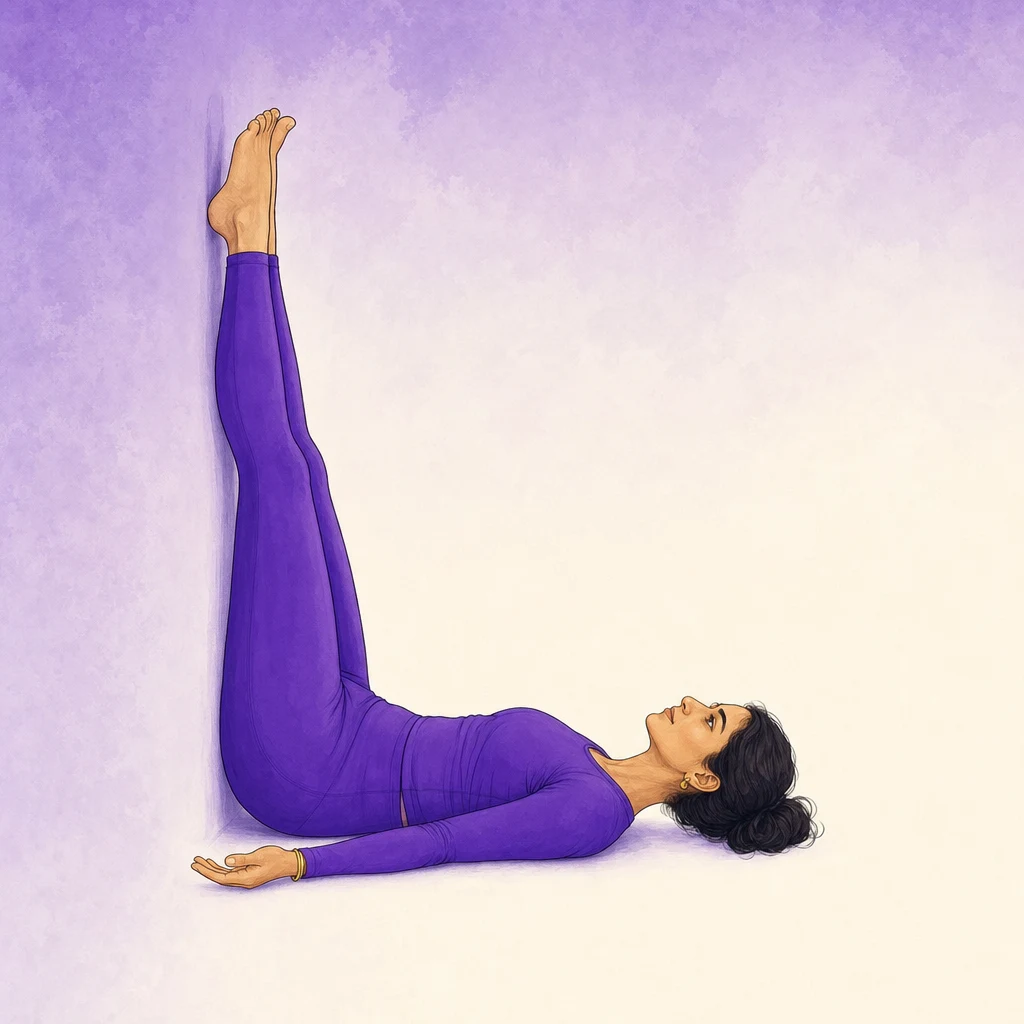
How to do Legs-Up-the-Wall Pose, step by step

  1. 1
    Sit beside the wall

    Sit sideways with one hip close to the wall and your knees bent, keeping the side of your body almost touching the wall.

    Hold
  2. 2
    Swing the legs up

    Lower your back to the floor as you swing both legs up the wall, turning your torso to face the wall so the legs rest vertically.

    Exhale
  3. 3
    Settle the back and hips

    Shuffle your hips close to the wall, let your back and head rest on the floor, and rest your arms out to the sides with palms up.

    Inhale
  4. 4
    Soften and rest

    Release the legs, soften the belly and face, and stay still while the whole back body relaxes, then come out by rolling gently to one side.

    Hold

The breath leads the movement: inhale as you open and lift, exhale as you fold and lower. One full round repeats the sequence leading with the other leg.

Benefits

What Legs-Up-the-Wall Pose is good for

What it works

Muscles and chakrasbody and energy

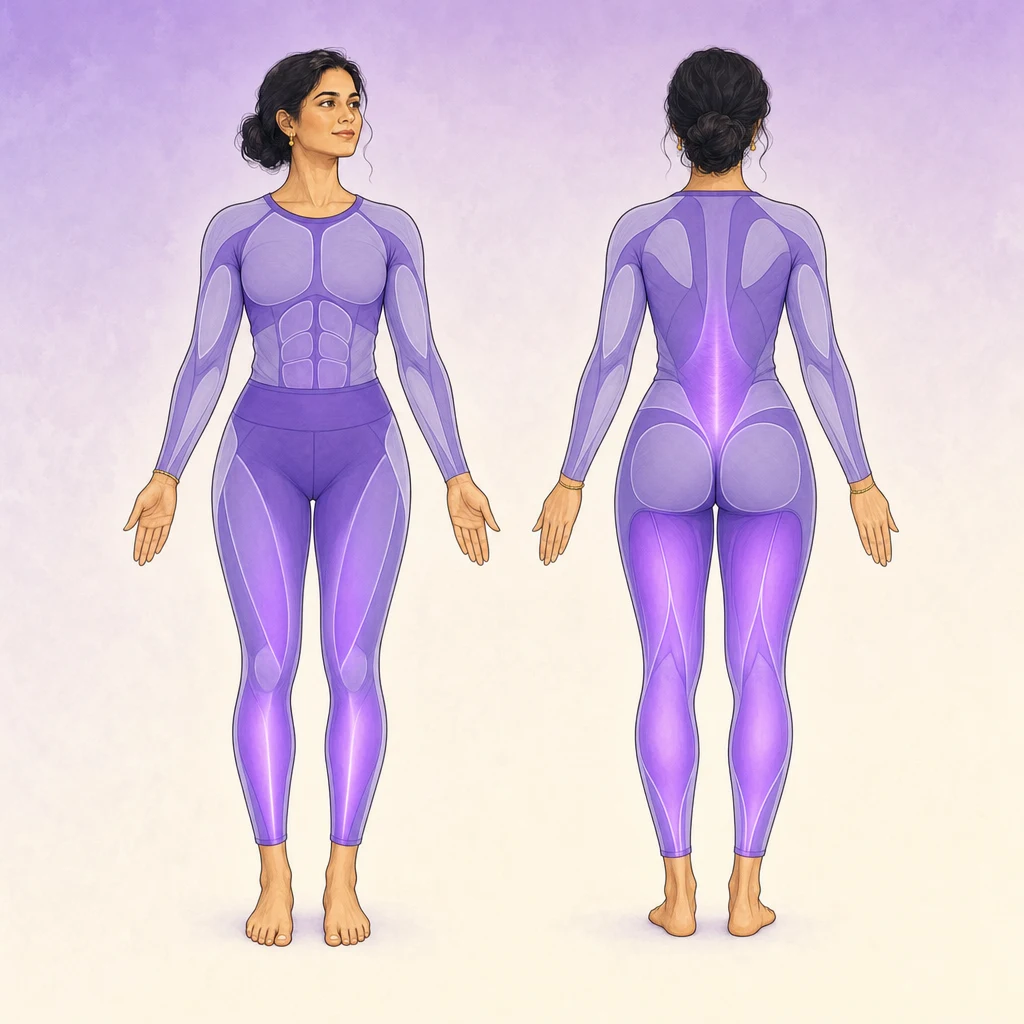
Muscles worked

Muscles worked in Legs-Up-the-Wall Pose, front and back
  • Hamstrings (passive stretch)
  • Gluteals (passive stretch)
  • Calves (gastrocnemius)
  • Lower-back muscles (released)
  • Pelvic-floor muscles

Brighter violet marks the muscles this pose works most.

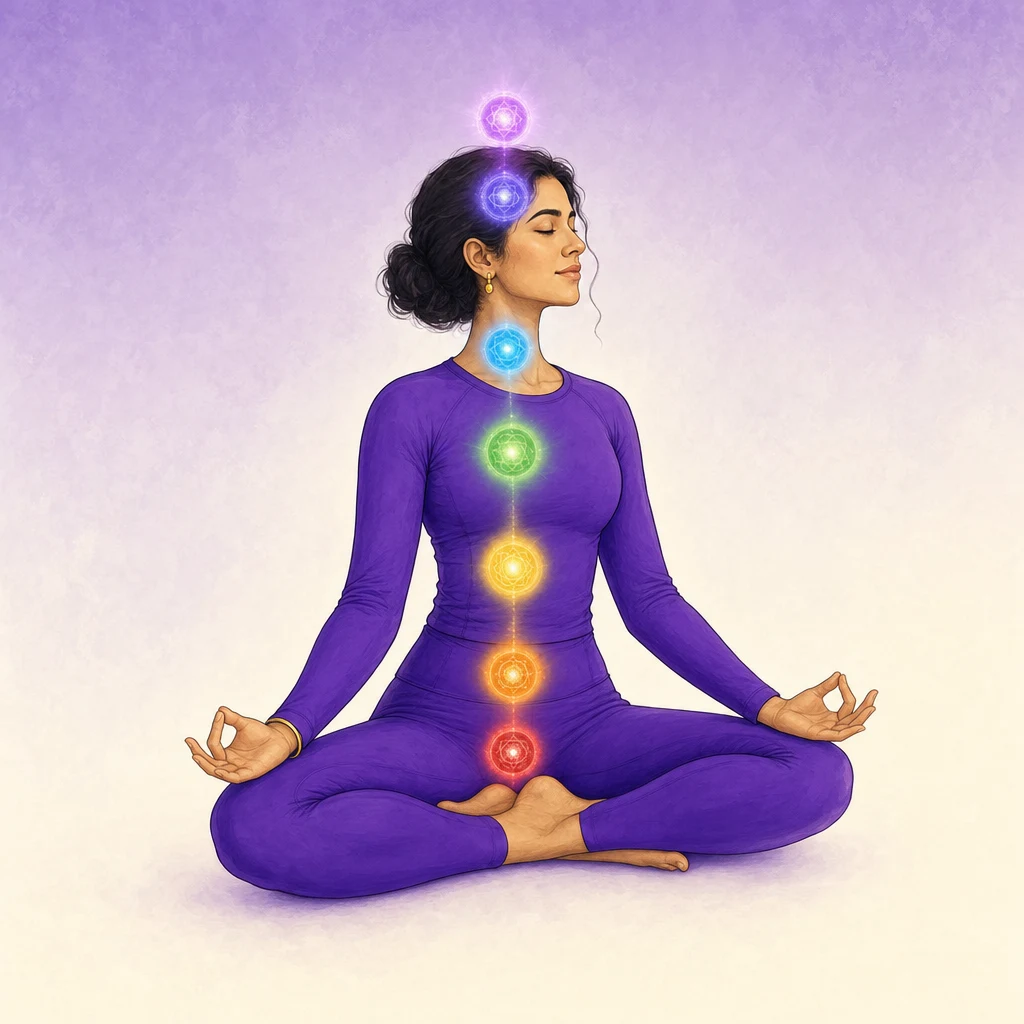
Chakras activated

Chakras associated with Legs-Up-the-Wall Pose
  • Third EyeAjna
  • ThroatVishuddha

These are traditional energetic associations, not medical claims.

Stay safe

Who should take care

This is general guidance, not medical advice. If in doubt, check with your doctor.

Keep going

Related poses

Reclining Bound Angle PoseCorpse PoseShoulderstand

Learn this at Anand Yoga Centre

Practise it properly with Sailaja, who adjusts each person in a small women-only class in Kolathur.

Book on WhatsAppSee classes

Reviewed by Sailaja Anand, yoga instructor at Anand Yoga Centre. Last updated 2026-06-14.

Questions

Legs-Up-the-Wall Pose: common questions

How long should I stay in Legs-Up-the-Wall Pose?
Most practitioners rest here for 5 to 15 minutes, breathing slowly. It is a restorative pose, so the aim is to stay long enough to feel the legs and nervous system settle, then come out gently.
Is Viparita Karani a safe inversion for beginners?
Yes. It is the gentlest of the inversions because the floor supports the back and head, so the neck is not loaded. This makes it a comfortable starting point before poses like Shoulderstand or Headstand.
Can I do this pose during my period?
Many people find it comfortable, though those who prefer to avoid inversions during menstruation can rest the hips on a bolster or choose a reclining pose like Supta Baddha Konasana instead. Listen to what feels right for your body.
How far from the wall should I sit?
Sit close enough that, once you swing the legs up, your hips are near the wall and your legs rest comfortably. If the hamstrings feel tight, shifting slightly away from the wall or bending the knees a little eases the stretch.
When is a good time to practise Legs-Up-the-Wall?
It suits the end of a practice, after a long day on your feet, or as a wind-down before sleep. Its calming, restorative quality makes it a gentle reset rather than a strengthening pose.

Start your practice this week

Book a ₹199 first class and learn Legs-Up-the-Wall Pose with Sailaja, in a small women-only group in Kolathur.

Book a ₹199 trialExplore more poses