AnandYogaCentreBook a ₹199 trial
Pose guide

Crocodile PoseMakarasana

Steps, benefits and the muscles it works, taught in small women-only classes in Kolathur.

BeginnerRestorative1 to 5 minutes
Crocodile Pose (Makarasana) at Anand Yoga Centre

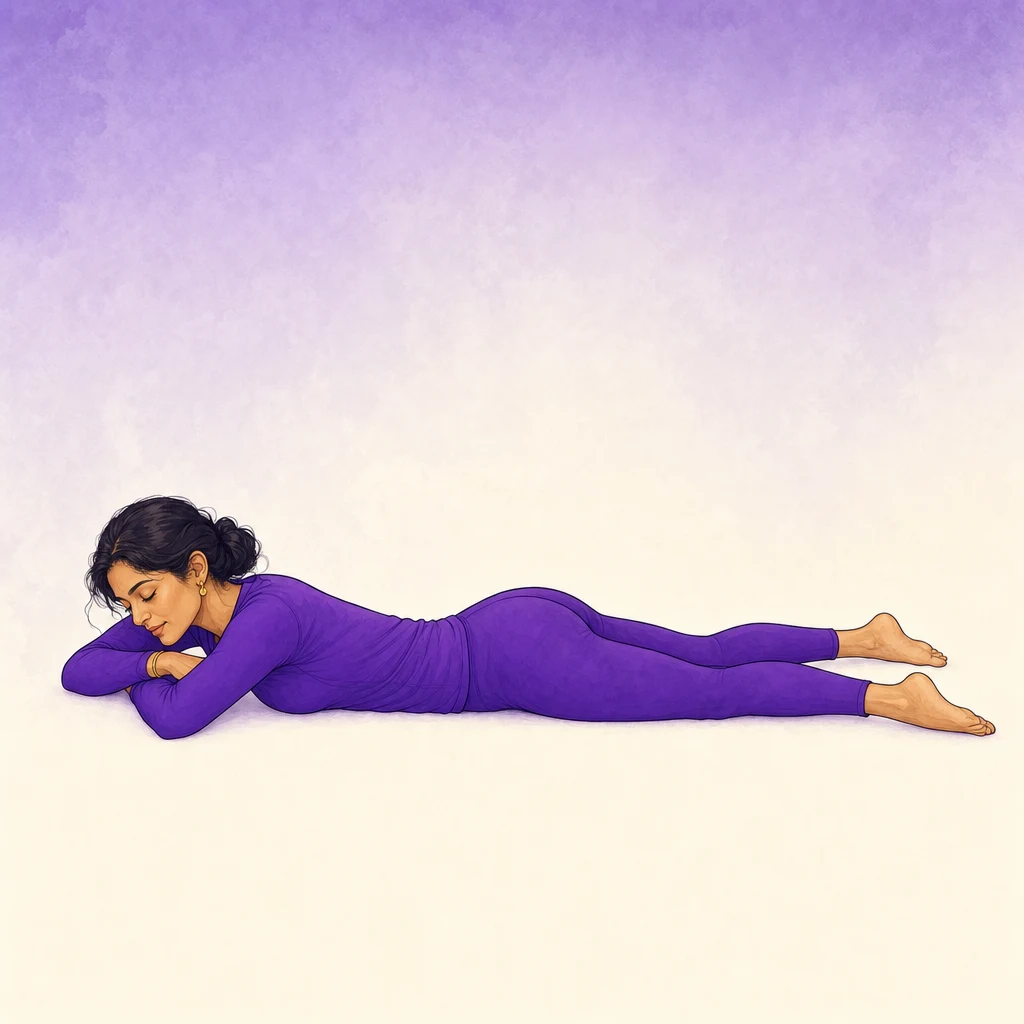
Makarasana, or Crocodile Pose, is a prone resting posture where you lie face down with the forehead cradled on crossed arms and the whole body softening into the floor. It encourages slow diaphragmatic breathing and a settled mind, and is often used to rest between back-strengthening poses. A grounding, low-effort pose for any level, it is taught gently and with care, women-first, in Kolathur.

How to do it

How to do Crocodile Pose, step by step

  1. 1
    Lie face down

    Lie prone on the mat with your legs extended back, feet hip-width apart and toes pointing outward so the heels fall gently inward.

    Hold
  2. 2
    Cradle the forehead

    Fold your arms in front of you, cross them loosely, and rest your forehead on the crossed forearms so the neck stays long and easy.

    Exhale
  3. 3
    Soften and ground

    Let the chest, belly and hips melt toward the floor. Allow the lower back to release and the whole body to feel heavy and supported.

    Inhale
  4. 4
    Rest and return

    Stay still and relaxed for the full hold. To come out, place the palms under the shoulders, gently press up and rest in a comfortable seat.

    Hold

The breath leads the movement: inhale as you open and lift, exhale as you fold and lower. One full round repeats the sequence leading with the other leg.

Benefits

What Crocodile Pose is good for

What it works

Muscles and chakrasbody and energy

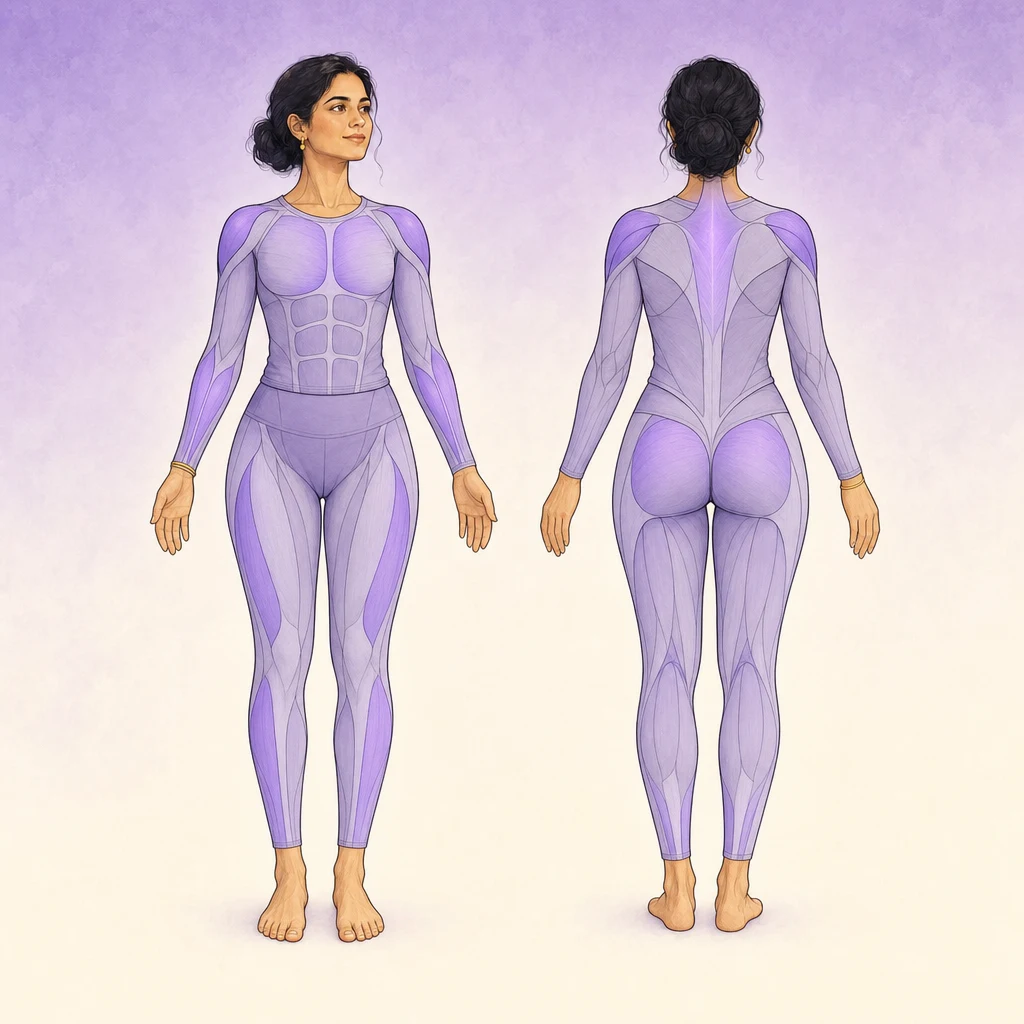
Muscles worked

Muscles worked in Crocodile Pose, front and back
  • Erector spinae (spinal muscles)
  • Diaphragm
  • Trapezius
  • Rhomboids
  • Gluteus maximus
  • Latissimus dorsi

Brighter violet marks the muscles this pose works most.

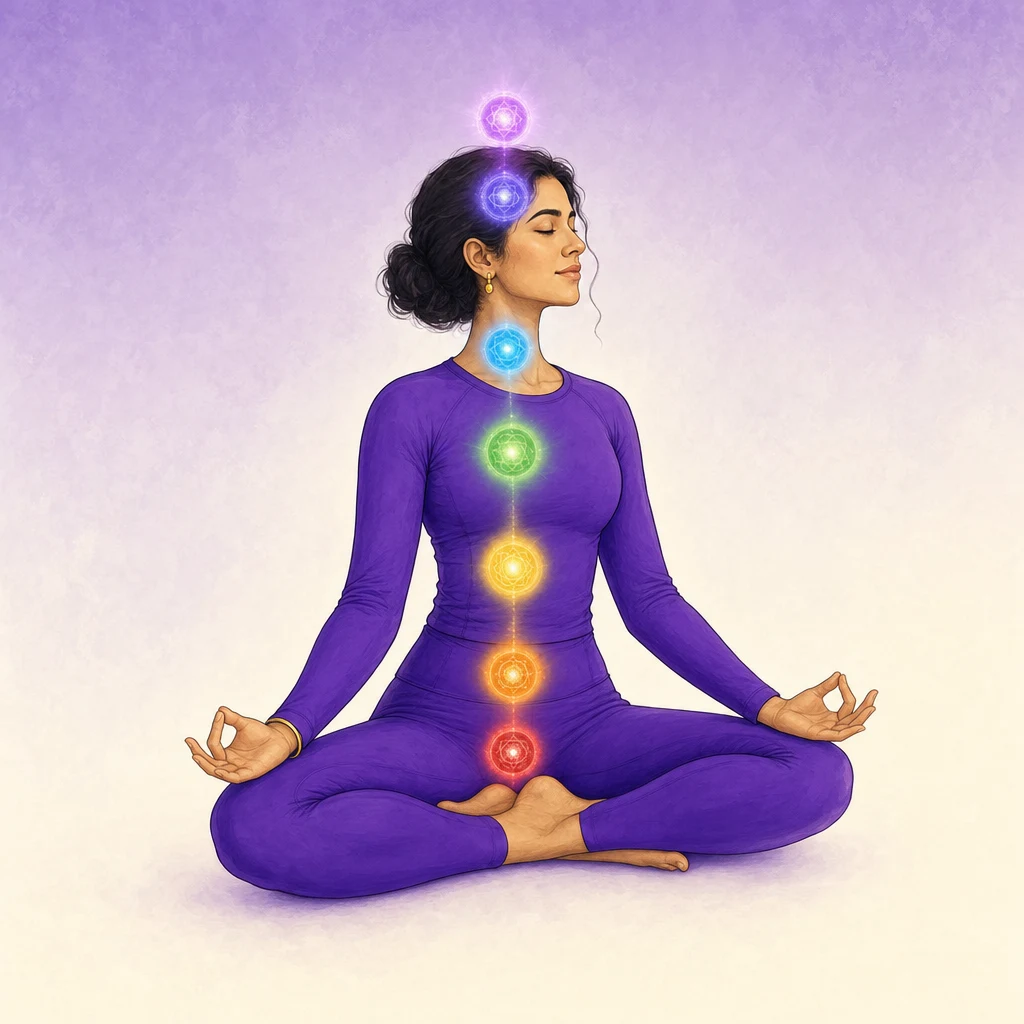
Chakras activated

Chakras associated with Crocodile Pose
  • RootMuladhara
  • SacralSvadhisthana

These are traditional energetic associations, not medical claims.

Stay safe

Who should take care

This is general guidance, not medical advice. If in doubt, check with your doctor.

Keep going

Related poses

Corpse PoseChild's PoseCobra Pose

Learn this at Anand Yoga Centre

Practise it properly with Sailaja, who adjusts each person in a small women-only class in Kolathur.

Book on WhatsAppSee classes

Reviewed by Sailaja Anand, yoga instructor at Anand Yoga Centre. Last updated 2026-06-14.

Questions

Crocodile Pose: common questions

Is Makarasana good for back pain?
Makarasana is a gentle prone rest that releases tension around the lower back and sacrum, and many people find it soothing between active poses. If you have an ongoing back condition, practise it slowly and within comfort, and check with your doctor or instructor first.
How long should I hold Crocodile Pose?
As a restorative pose it can be held comfortably for one to five minutes. Beginners may start with one to two minutes and build up as the body settles into the breath.
What is the difference between Makarasana and Child's Pose?
Makarasana is practised lying face down with legs extended and the forehead on crossed arms, while Child's Pose is a kneeling fold. Both are restful, but Makarasana keeps the spine long and flat and is often used to recover between back-bends.
Can beginners do Crocodile Pose?
Yes. It is a beginner-friendly, low-effort pose with no strength or flexibility demand. The main aim is simply to relax the body and breathe slowly.
Is Crocodile Pose safe during pregnancy?
Lying face down is not suitable in pregnancy, so Makarasana is best avoided. A reclined or side-lying rest is a gentler alternative, and our women-first classes in Kolathur can guide a suitable substitute.

Start your practice this week

Book a ₹199 first class and learn Crocodile Pose with Sailaja, in a small women-only group in Kolathur.

Book a ₹199 trialExplore more poses