AnandYogaCentreBook a ₹199 trial
Pose guide

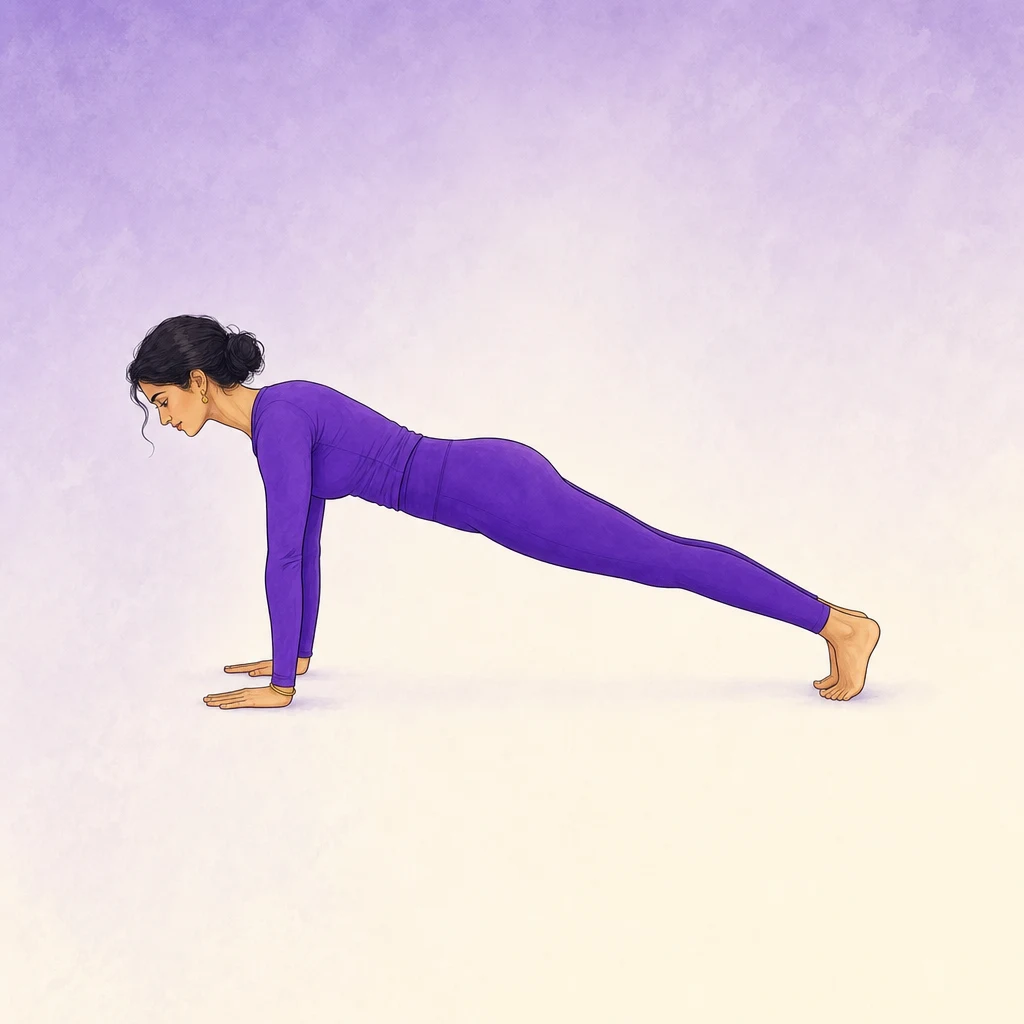
Plank PosePhalakasana

Steps, benefits and the muscles it works, taught in small women-only classes in Kolathur.

BeginnerCore20 to 60 seconds
Plank Pose (Phalakasana) at Anand Yoga Centre

Phalakasana, or Plank Pose, is a foundational strengthening posture where the body holds one straight line from crown to heels, supported on the hands and toes. It builds strength through the core, arms, shoulders and back, and teaches the steady alignment that underpins many other poses. A practical, strength-building practice, women-first, in Kolathur.

How to do it

How to do Plank Pose, step by step

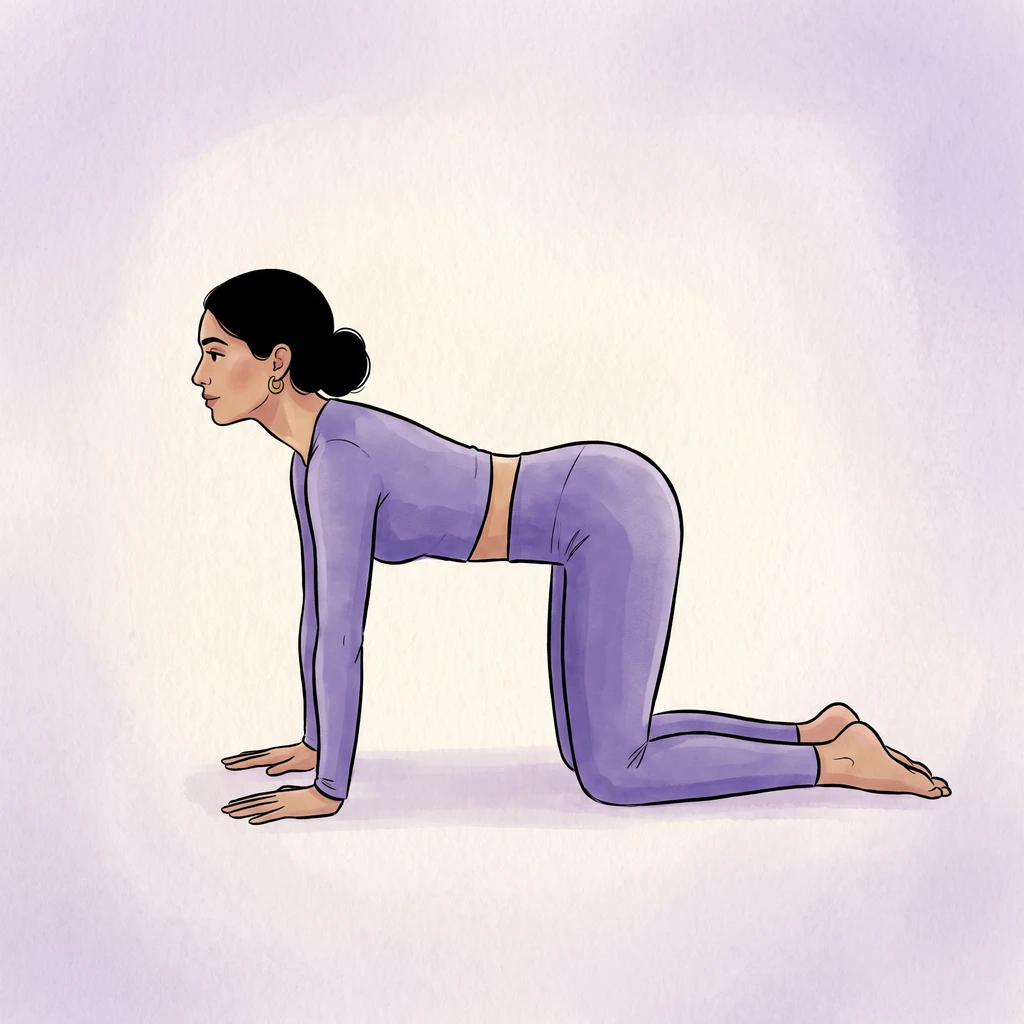
  1. 1
    Set the hands

    From hands and knees, place the wrists directly under the shoulders and spread the fingers wide with the middle fingers pointing forward.

    Inhale
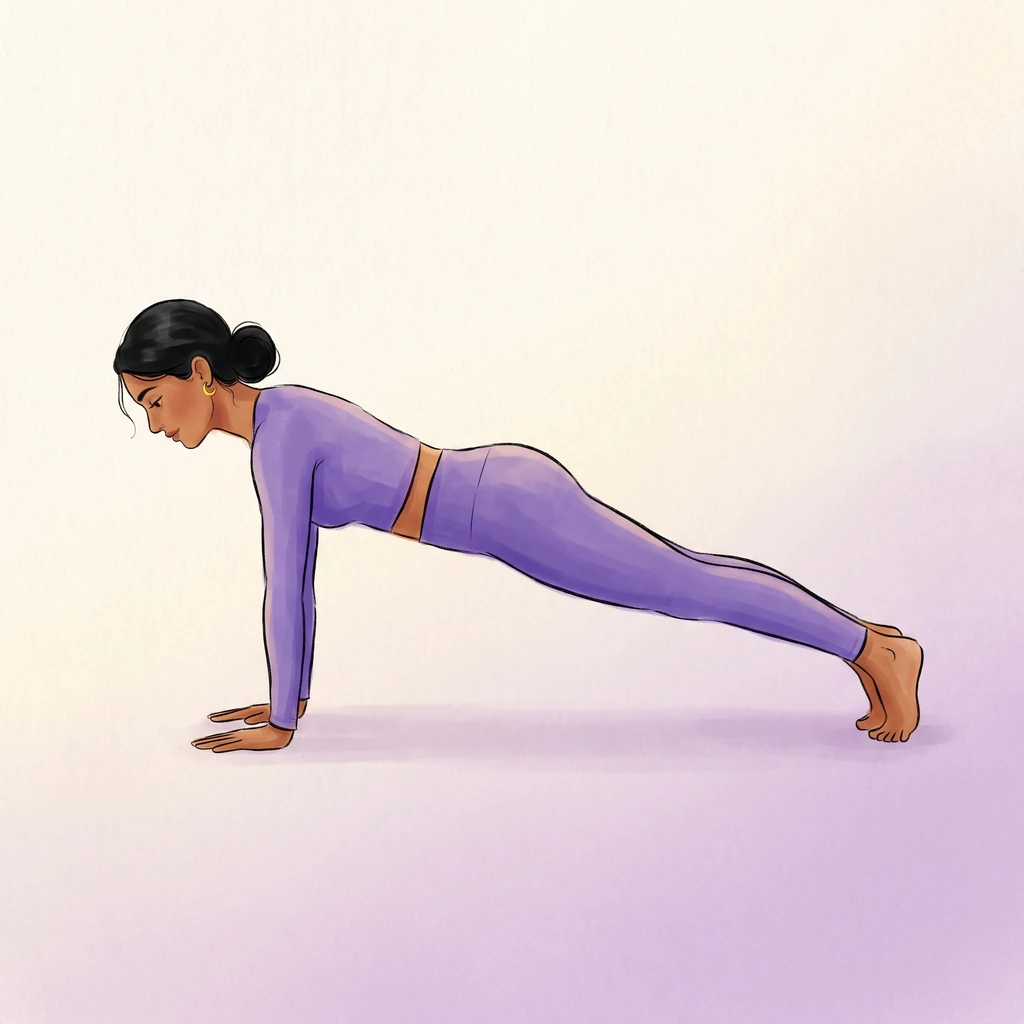
  2. 2
    Step the feet back

    Tuck the toes and step both feet back until the body forms one straight line from the crown of the head to the heels.

    Exhale
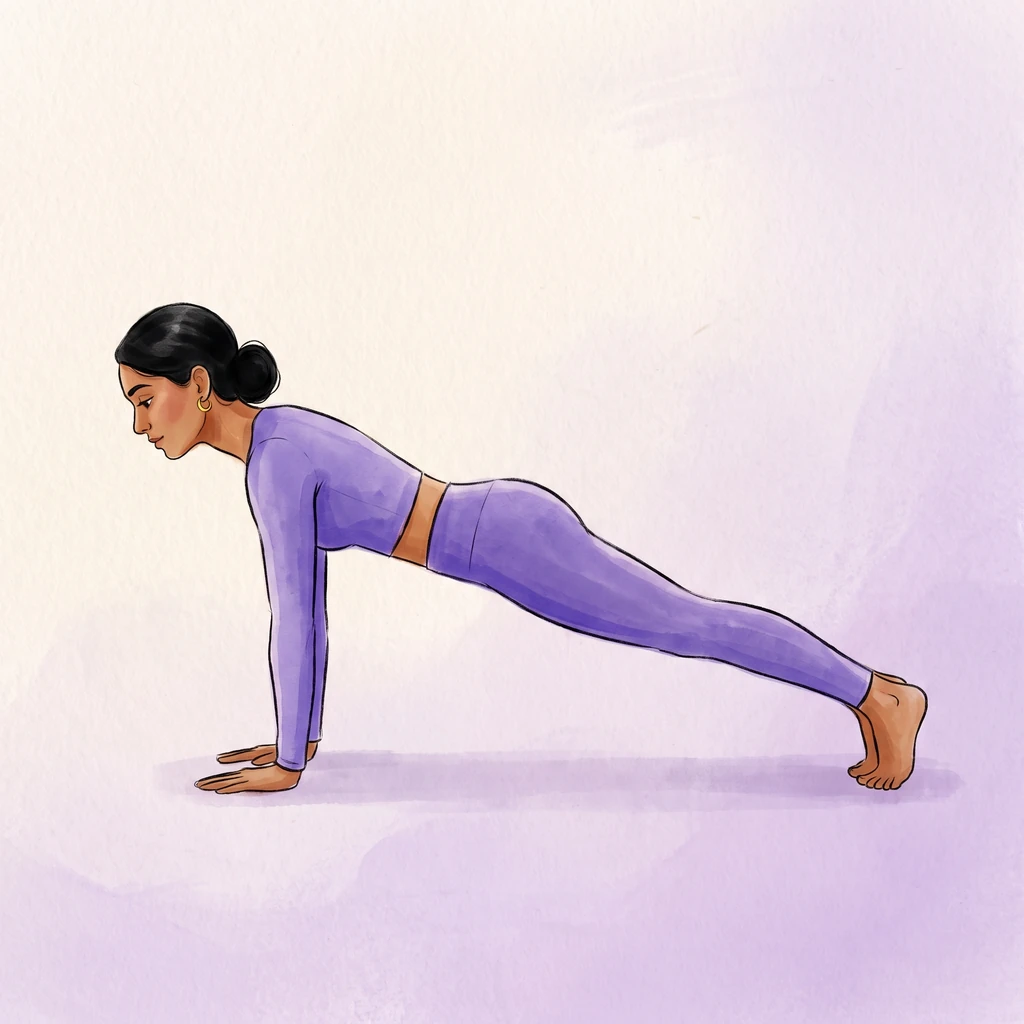
  3. 3
    Engage the core and legs

    Draw the navel towards the spine, firm the thighs, and tuck the tailbone slightly so the hips stay level with the shoulders.

    Inhale
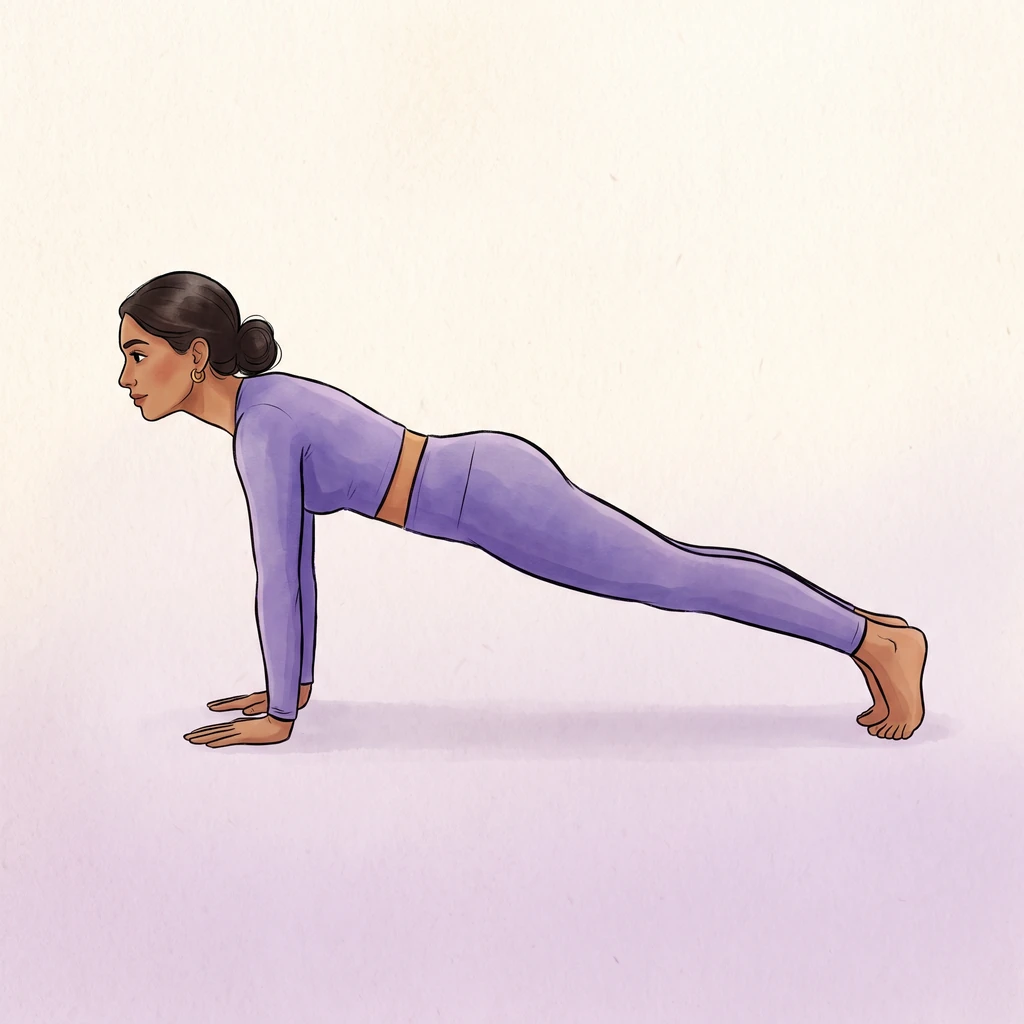
  4. 4
    Hold and breathe

    Press the palms firmly down, keep the shoulders broad and the gaze just ahead of the hands, and hold steady without sagging or piking.

    Hold

The breath leads the movement: inhale as you open and lift, exhale as you fold and lower. One full round repeats the sequence leading with the other leg.

Benefits

What Plank Pose is good for

What it works

Muscles and chakrasbody and energy

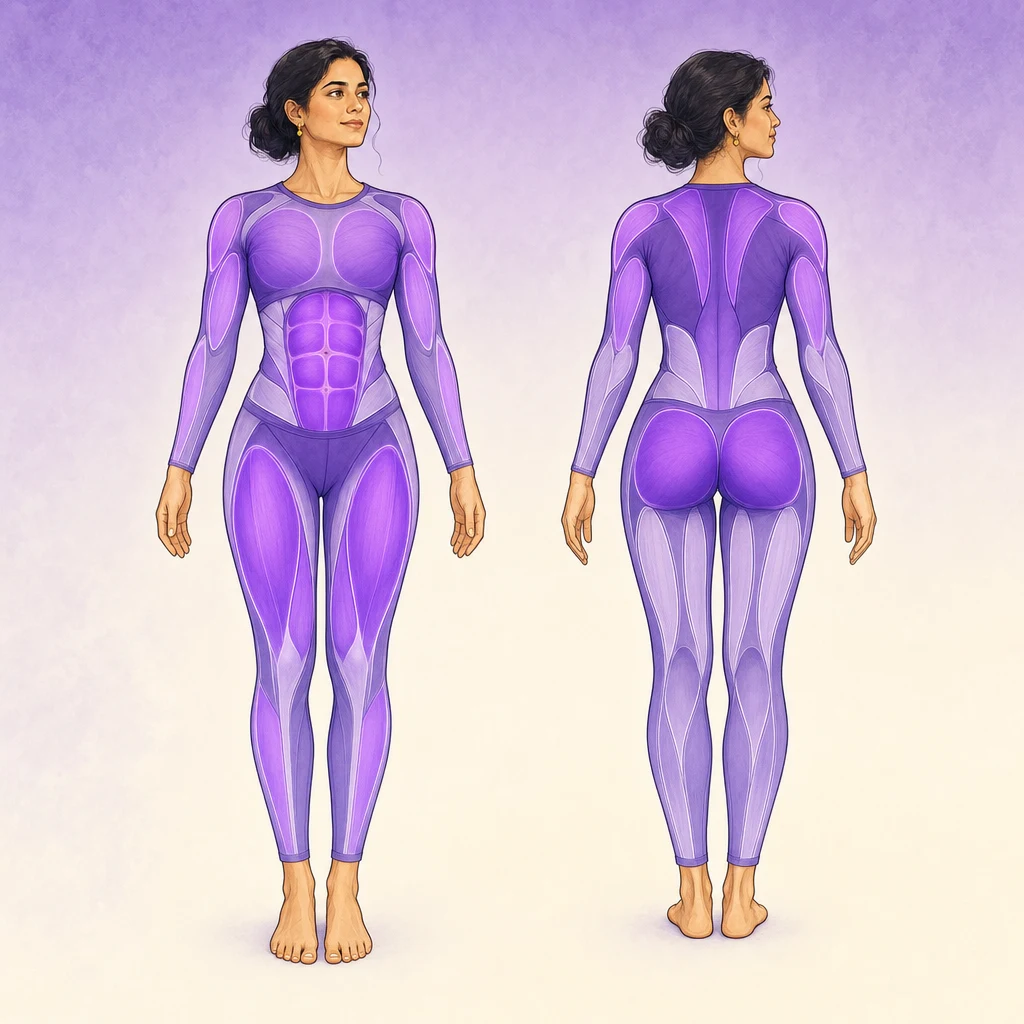
Muscles worked

Muscles worked in Plank Pose, front and back
  • Rectus abdominis
  • Transverse abdominis
  • Obliques
  • Deltoids (shoulders)
  • Triceps
  • Quadriceps
  • Gluteals

Brighter violet marks the muscles this pose works most.

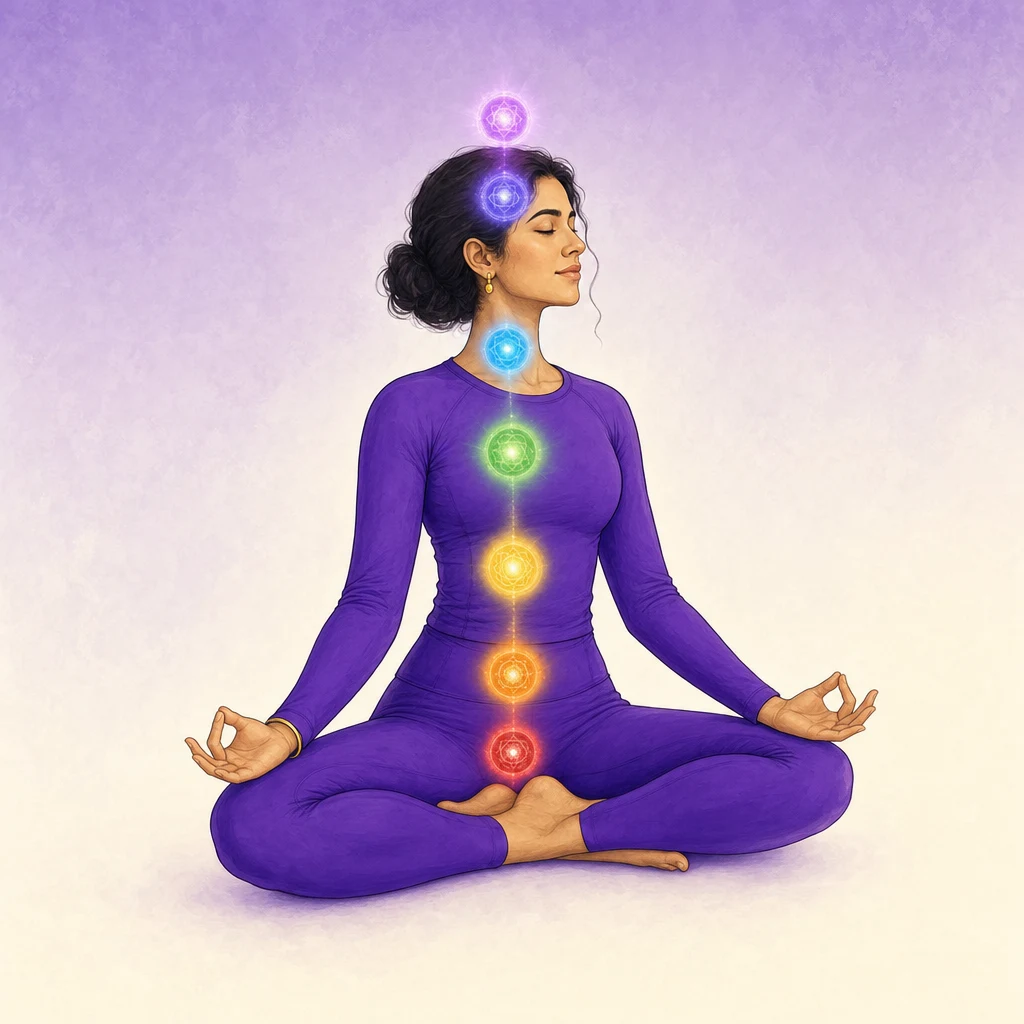
Chakras activated

Chakras associated with Plank Pose
  • Solar PlexusManipura

These are traditional energetic associations, not medical claims.

Stay safe

Who should take care

This is general guidance, not medical advice. If in doubt, check with your doctor.

Keep going

Related poses

Downward-Facing DogCrow PoseStaff Pose

Learn this at Anand Yoga Centre

Practise it properly with Sailaja, who adjusts each person in a small women-only class in Kolathur.

Book on WhatsAppSee classes

Reviewed by Sailaja Anand, yoga instructor at Anand Yoga Centre. Last updated 2026-06-14.

Questions

Plank Pose: common questions

How long should I hold Plank Pose?
Starting with 20 to 30 seconds of steady, even breathing is sensible, building towards a minute as the core strengthens. Quality of alignment matters more than time, so it is better to hold a shorter, well-aligned plank than a longer, sagging one.
Why do my wrists hurt in Plank Pose?
Wrist discomfort often comes from collapsing into the heels of the hands. Spreading the fingers wide and pressing the whole palm down shares the load, and dropping to the forearms is a good option if the wrists still feel strained.
Is Plank Pose good for beginners?
Yes. It is one of the most accessible strengthening poses, and dropping the knees for a half-plank lets beginners build core and arm strength safely before progressing to the full version.
How do I stop my hips from sagging?
Draw the navel gently towards the spine, firm the thighs, and tuck the tailbone slightly so the body forms one straight line. If the hips begin to drop, it is a sign to rest and rebuild before continuing.
What poses does Plank Pose prepare me for?
The core and arm strength built here supports arm balances such as Crow Pose and transitions like Chaturanga. It is also a key part of the Sun Salutation sequence.

Start your practice this week

Book a ₹199 first class and learn Plank Pose with Sailaja, in a small women-only group in Kolathur.
Book a ₹199 trialExplore more poses