AnandYogaCentreBook a ₹199 trial

Yoga for back paingentle and within comfort

This page is general wellbeing information, not medical advice. Yoga supports but does not replace medical care. See a doctor for ongoing, severe or sharp pain, or pain after an injury, and check before starting if you have a slip disc or any spine condition.

Gentle yoga may help ease a stiff or aching lower back by easing tension, mobilising the spine and building light strength in the muscles that support it. Poses like Cat-Cow, Child's Pose and Bridge are kind starting points. Yoga supports back care but is not a cure, and it should never feel sharp or painful. See a doctor for ongoing or sharp pain. At Anand Yoga Centre, classes are women-first, in Kolathur.

A quick note

How gentle yoga may ease a stiff back

Much everyday back stiffness comes from tight muscles, weak support around the spine and long hours of sitting. Gentle yoga works on all three: slow movements like Cat-Cow mobilise the spine, resting poses like Child's Pose release tension, and light strengtheners like Bridge support the lower back. Many people find a short daily practice helps them notice where they hold tension and move more easily. It is not a treatment for any specific back condition, so see a doctor for ongoing or sharp pain.

How it helps

How yoga may help a stiff back

Eases muscle tension

Slow, gentle stretches and resting poses may help release the tight muscles that often add to back stiffness. Many people find this brings a feeling of relief and ease.

Mobilises the spine

Movements like Cat-Cow gently take the spine through its range, which may help a stiff back feel more flexible. Everything is kept slow and within comfort.

Builds gentle support

Light strengtheners for the back and core may help support the lower spine over time. Better support can make everyday sitting and standing feel easier.
The practice

A gentle sequence for a stiff backmobilise, strengthen, rest

Move slowly and stay within comfort. Yoga for the back should never feel sharp or painful. Stop at once and seek advice if pain spreads down a leg or you feel numbness.

Mobilise and release
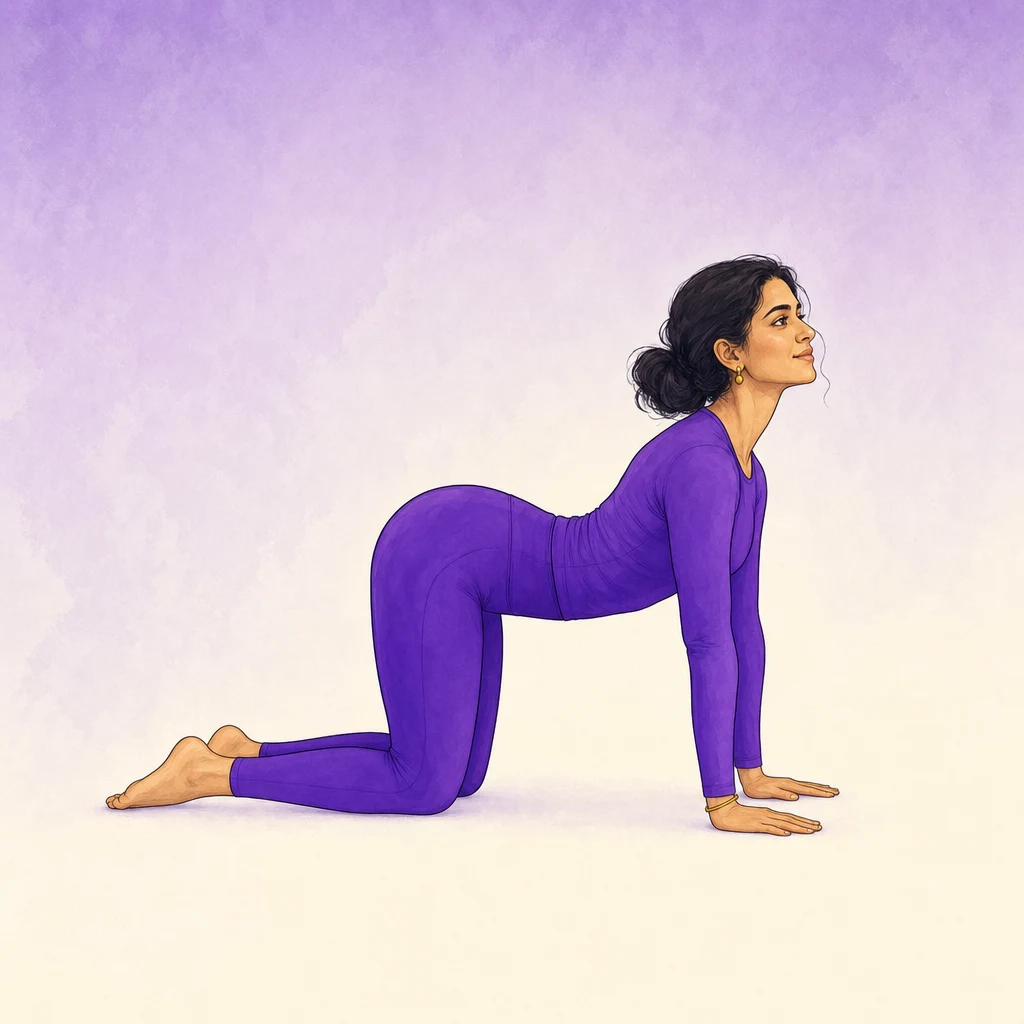
Cat-Cow for back pain1
Cat-Cow
Marjaryasana-Bitilasana
Beginner

Gently mobilises the whole spine and is one of the kindest ways to start easing a stiff lower back.

Breath. Inhale to drop the belly and look up, exhale to round the spine.

Take care. Keep the movement slow and small; stop if any sharp sensation appears.

Learn this pose →
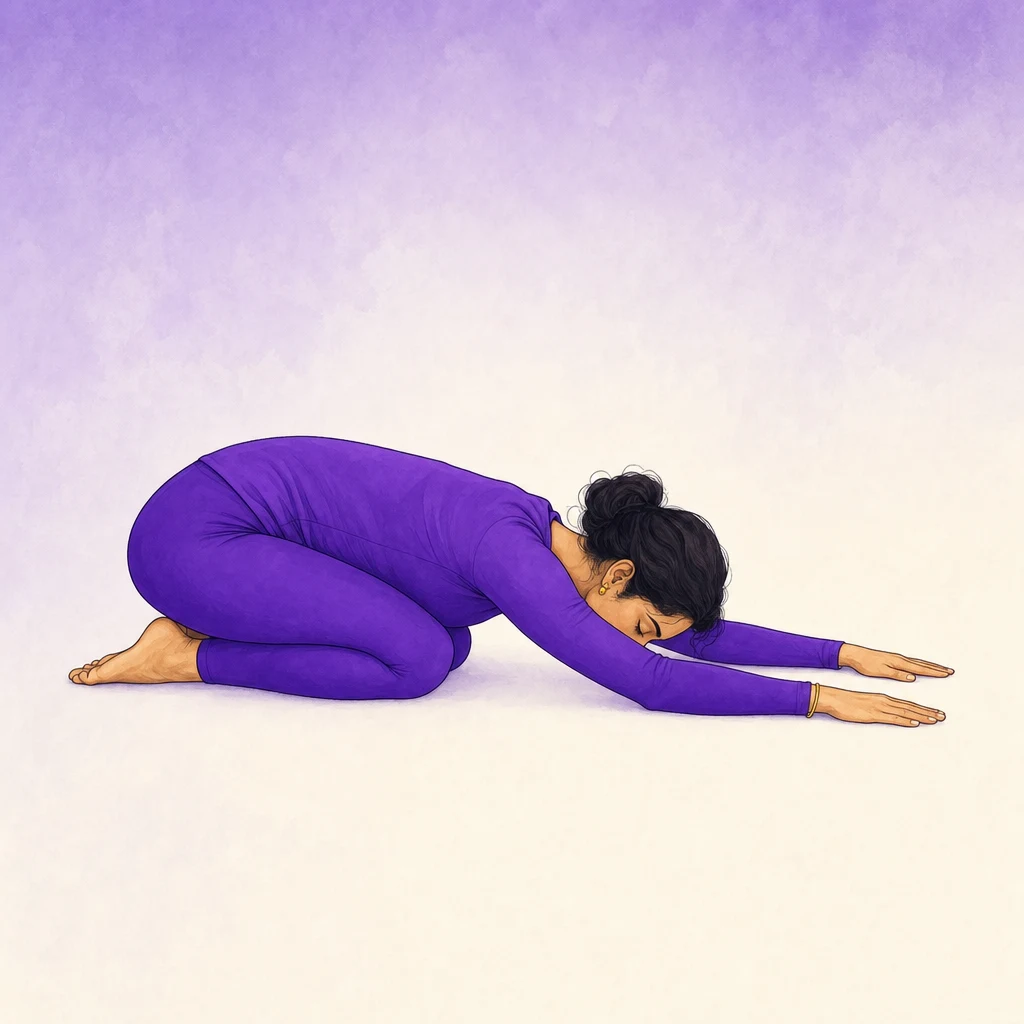
Child's Pose for back pain2
Child's Pose
Balasana
Beginner

A resting forward fold that gently stretches the lower back and releases tension many people hold there.

Breath. Breathe slowly into the back of the ribs and let the back soften.

Take care. Widen the knees and use a cushion under the chest if there is any strain.

Learn this pose →
Gentle strengthening
3. Sphinx Pose
Salamba Bhujangasana
Beginner

A very gentle backbend that strengthens the lower back and opens the chest, kept light and supported on the forearms.

Breath. Breathe steadily while you hold; keep the shoulders soft.

Take care. Keep it gentle and come down at once if the lower back pinches.

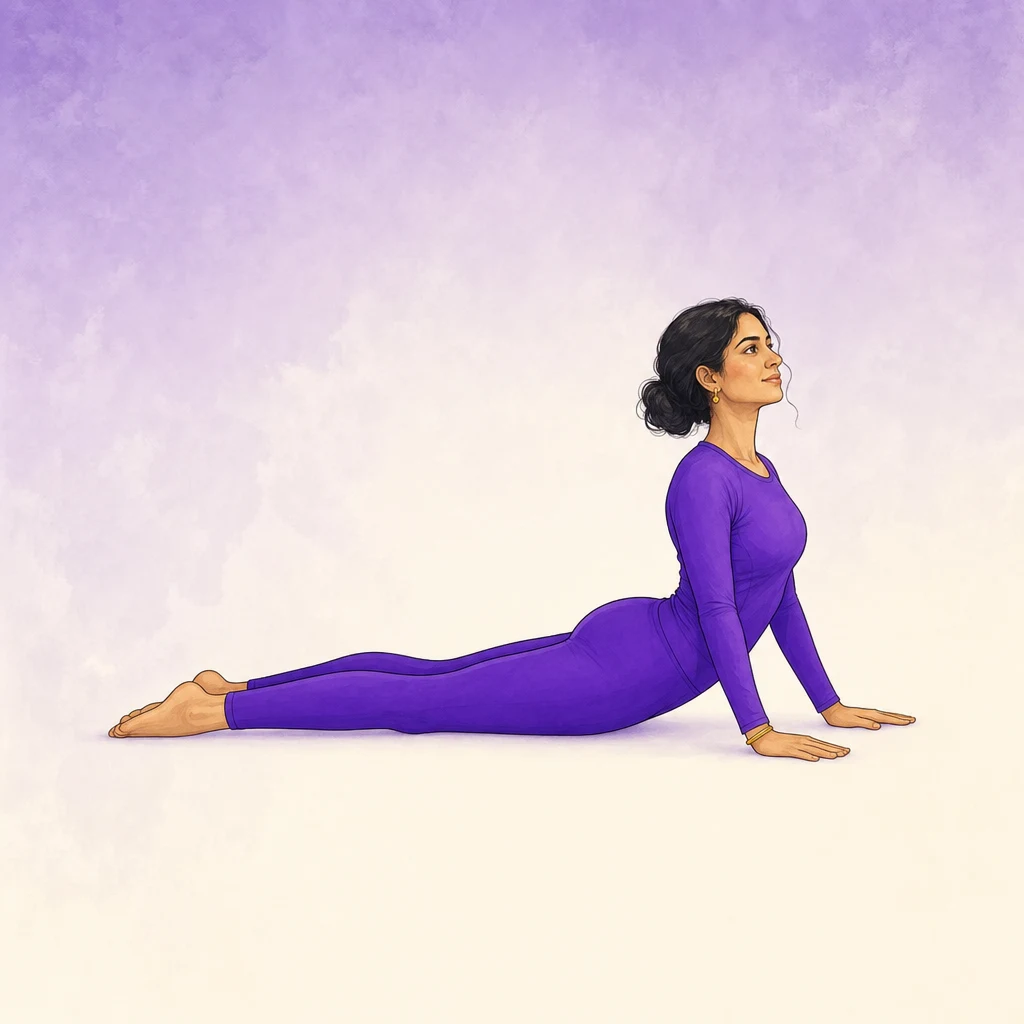
Cobra Pose (gentle) for back pain4
Cobra Pose (gentle)
Bhujangasana
⚠ Caution

A small, gentle backbend that may help strengthen the back and counter long hours of sitting.

Breath. Inhale to lift slightly, exhale to lower with control.

Take care. Lift only a little; never force the back or push into sharp pain.

Learn this pose →
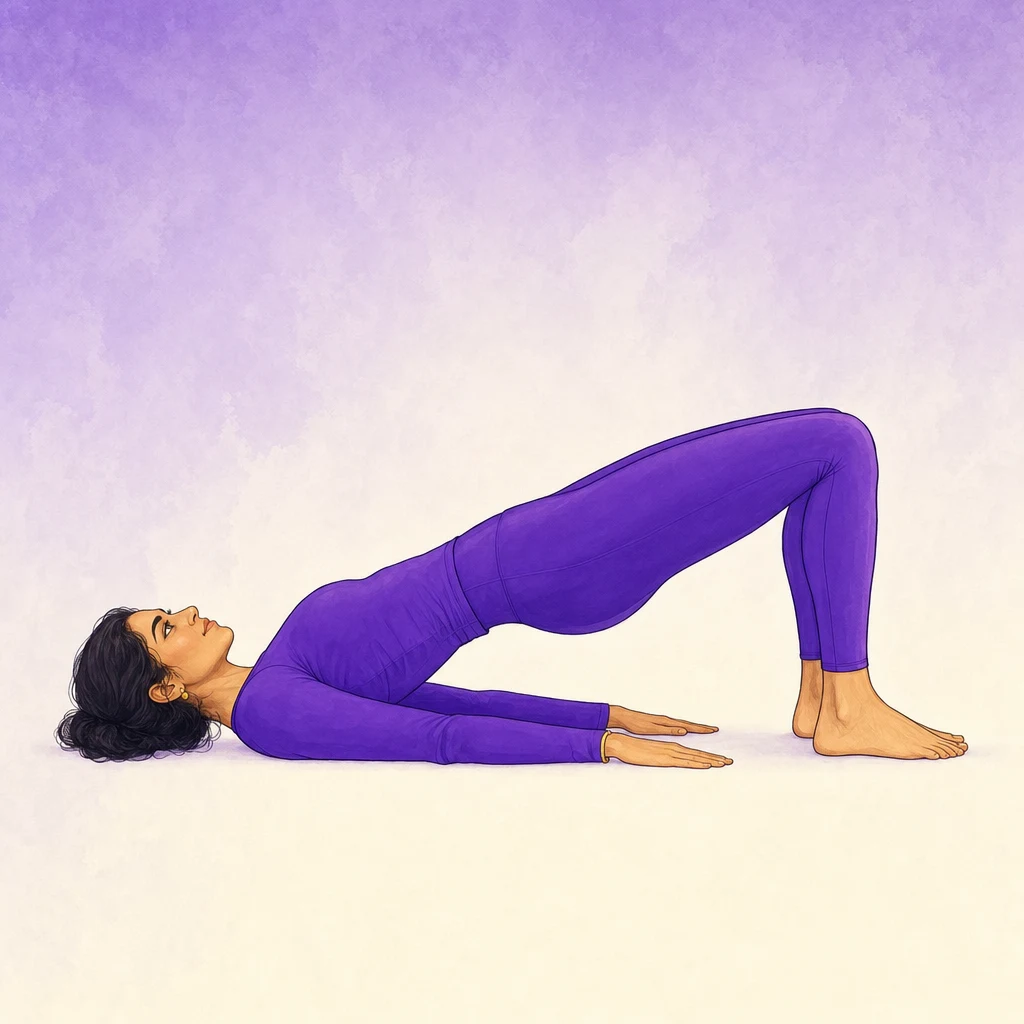
Bridge Pose for back pain5
Bridge Pose
Setu Bandhasana
Beginner

Strengthens the back, glutes and core that support the lower spine, which may help a back feel steadier over time.

Breath. Inhale to lift the hips, exhale to lower slowly bone by bone.

Take care. Keep the knees hip-width apart and do not turn the head while lifted.

Learn this pose →
Rest and unwind
6. Knees-to-Chest Rest
Apanasana
Beginner

A soothing pose that gently releases the lower back and is a calm way to finish a back-care practice.

Breath. Breathe slowly and let the lower back settle into the mat.

Take care. Hold the backs of the thighs rather than the shins if the knees feel tight.

This page is general wellbeing information, not medical advice. Yoga supports but does not replace medical care. See a doctor for ongoing, severe or sharp pain, or pain after an injury, and check before starting if you have a slip disc or any spine condition.

Stay safe

Who should take care

  • See a doctor before starting if your back pain is ongoing, severe, or came from an injury, slip disc or other condition.
  • Move slowly and stay within comfort; yoga for the back should never feel sharp or painful.
  • Stop at once and seek medical advice if you feel pain spreading down a leg, numbness, tingling or weakness.
  • Warm up gently first, use cushions or blocks for support, and avoid deep backbends and strong twists while the back is sore.
Important

When to see your doctor

Yoga complements, not replaces, medical care for your back. See a doctor for ongoing, severe or sharp pain, or for pain after an injury, and check before starting if you have a slip disc or any spine condition.

Practise with us

Learn it gently, women-first, in Kolathur

Start with a gentle class

Our Hatha classes are slow and alignment-led, the safest way to learn these poses with Sailaja.

Women's wellness programs

See our programs for women's wellness, prenatal and more.

Simple, honest pricing

₹199 first class, ₹2,000 a month unlimited. See the pricing page.

Reviewed by Sailaja Anand, yoga instructor at Anand Yoga Centre. Last updated 2026-06-14.

This page is general wellbeing information, not medical advice. Yoga supports but does not replace medical care. See a doctor for ongoing, severe or sharp pain, or pain after an injury, and check before starting if you have a slip disc or any spine condition.

Questions

Yoga for back pain: common questions

Is yoga good for lower back pain?
Many people find gentle yoga helps ease everyday lower-back stiffness by releasing tension, mobilising the spine and building light support around it. Poses like Cat-Cow, Child's Pose and Bridge are kind starting points. It should never feel sharp or painful. For ongoing or severe pain, see a doctor before you practise.
Can yoga cure back pain?
Yoga is not a cure for back pain. For many people it is a helpful part of back care that may ease stiffness and support the muscles around the spine, but results vary. It works best as a regular gentle practice alongside good posture and movement habits. Always see a doctor for ongoing, sharp or injury-related pain.
Which yoga poses are best for lower back pain?
Gentle poses are usually best to start: Cat-Cow to mobilise the spine, Child's Pose to release tension, Sphinx and gentle Cobra for light strength, and Bridge to support the lower back. Keep every pose slow and within comfort, and avoid deep backbends or strong twists while the back is sore.
How often should I do yoga for back pain?
Many people find that even a few minutes of gentle practice on most days helps more than one long session. A short daily routine of mobilising and resting poses can keep the back feeling easier. Listen to your body, stop if anything hurts, and build up slowly rather than pushing for quick change.
Should I do yoga if my back already hurts?
Gentle yoga may help mild, everyday stiffness, but if your back is in real pain it is best to check with a doctor first. Avoid practising through sharp pain, and stop at once if you feel pain spreading down a leg, numbness or weakness, as these need medical attention rather than stretching.

Ease your back, gently

Book a ₹199 first class and learn a slow, careful, women-first practice with Sailaja in Kolathur.

Book a ₹199 trialSee Hatha classes